Osnabrück, Germany
- 166,462 people
- 14 places to visit
- 52.2799, 8.0472
Places to Visit (14)
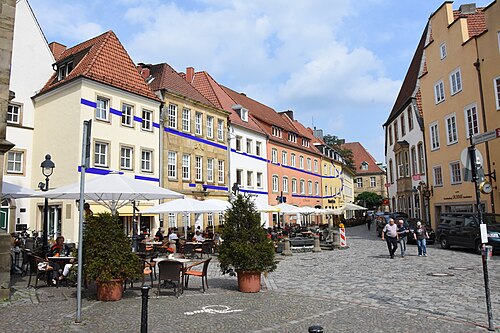
Osnabrück is a city located in Lower Saxony, northwestern Germany. With a population of around 165,000, it is one of the largest cities in the region. The city has a rich history that dates back over a thousand years, establishing its significance as an important center for trade and politics. Osnabrück was granted city rights in 1330 and is known for its role in the Peace of Westphalia in 1648, which ended the Thirty Years' War and solidified its status as a significant player in European diplomacy. This historical legacy is still evident today, with numerous historical buildings, including the Osnabrück Cathedral and the Town Hall, showcasing the city’s architectural heritage.
Osnabrück's economy is diverse, with key sectors including education, healthcare, manufacturing, and services. The presence of the University of Osnabrück, founded in 1974, contributes to the city's vibrant academic atmosphere and attracts students from across the globe, bolstering its youthful demographic. The city is also known for its commitment to sustainability and has initiated various environmental projects, positioning itself as a leader in green urban development. Osnabrück's cultural scene is lively, featuring numerous theaters, museums, and music festivals that celebrate both local and international talent. The city hosts the Osnabrück Christmas Market, which draws visitors during the holiday season, further enhancing its appeal as a charming destination in Germany. With its blend of historical significance and modern urban life, Osnabrück offers a unique experience that reflects the broader cultural tapestry of Germany.
Facts about Osnabrück
- Osnabrück is one of the few cities in Germany to have been designated as a 'Peace City' due to its historical significance in the Peace of Westphalia treaties that ended the Thirty Years' War in 1648.
- The city is home to the historic Osnabrück Castle, which was once a residence of the prince-bishops and today houses a university and a museum.
- Osnabrück has a unique location, being situated at the crossroads of several important rivers and trade routes, making it a key economic center since medieval times.
- The Osnabrück Market Square features one of the oldest and most well-preserved medieval marketplaces in Germany, complete with stunning Gothic and Renaissance buildings.
- The city boasts a rich cultural heritage and is the birthplace of renowned philosopher Gottfried Wilhelm Leibniz, who made significant contributions to mathematics and logic.
- Osnabrück hosts the annual Osnabrück Music Festival, which attracts performers and audiences from around the world, showcasing a range of musical styles.
- The city is uniquely surrounded by extensive nature reserves and parks, including the 'Teutoburg Forest' and 'Hasenburg Nature Reserve', providing residents and visitors with abundant outdoor activities.
- Osnabrück has a vibrant student population, with approximately 15,000 students enrolled at the University of Osnabrück and the Hochschule Osnabrück, contributing to its youthful and dynamic atmosphere.
- The city proudly preserves its medieval city walls and historic gates, such as the Heger Tor, which offer a glimpse into Osnabrück's past and unique architectural heritage.
- Osnabrück has a distinct local cuisine that includes traditional dishes such as 'Osnabrücker Kock' (a type of meatball) and numerous seasonal festivals celebrating culinary delights.