Osogbo, Nigeria
- 645,000 people
- 12 places to visit
- 7.7827, 4.5418
Places to Visit (12)
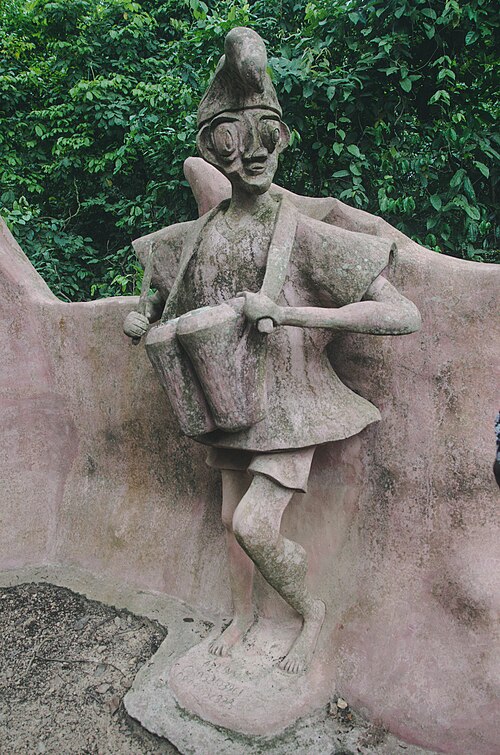
Osogbo is the capital city of Osun State in southwestern Nigeria. It is situated along the banks of the Osun River, approximately 120 kilometers northeast of Lagos. The city is notable for its rich cultural heritage and is home to numerous traditional festivals and historical landmarks. Osogbo's population is estimated to be around 100,000, making it one of the principal cities in the region. The economy of Osogbo is largely driven by agriculture, trade, and small-scale industries, with the surrounding fertile land supporting crops such as yam, cassava, and maize.
A key feature of Osogbo is the Osun-Osogbo Sacred Grove, a UNESCO World Heritage Site. This sacred forest is dedicated to Osun, the goddess of fertility and the river. It hosts the annual Osun-Osogbo Festival, which celebrates the local deity and attracts thousands of pilgrims and tourists from around the world. The festival includes various rituals, performances, and cultural displays that reflect the city’s deep-rooted traditions. The grove is adorned with shrines, sculptures, and artistic motifs, emphasizing the rich artistic heritage of the Osun people.
In addition to its cultural significance, Osogbo is also an educational hub, housing several institutions, including the Osun State University. The city is characterized by its blend of traditional and modern lifestyles, with numerous markets and local enterprises coexisting with contemporary facilities. Osogbo also serves as an administrative center and plays a crucial role in the political landscape of Osun State. With its vibrant culture, historical importance, and economic activities, Osogbo continues to hold a significant place in Nigeria's diverse tapestry of cities.
Facts about Osogbo
- Osogbo is the capital city of Osun State in southwestern Nigeria, known for its rich cultural heritage and history.
- The city is famous for the annual Osun-Osogbo Festival, which celebrates the Osun goddess and attracts thousands of devotees and tourists from around the world.
- Osogbo is home to the UNESCO World Heritage Site, the Sacred Grove of Osun-Osogbo, which is considered a sacred forest and an important cultural site for the Yoruba people.
- The city played a significant role in the establishment of modern educational institutions in Nigeria, being home to globally recognized secondary schools and Osun State University.
- Osogbo features unique traditional architecture, where many buildings reflect the rich cultural practices and historical styles of the Yoruba people.
- The Osogbo Cultural Festival incorporates art, music, dance, and rituals, showcasing the traditional practices and spiritual beliefs of the indigenous people.
- Osogbo has a significant historical background, as it was a center of resistance during the colonial era, with notable leaders emerging from the region.
- The city is strategically located along the major highways that connect southern and northern Nigeria, making it a transportation hub.
- Osogbo’s economy is largely driven by local agriculture, trade, and crafts, with traditional markets playing a vital role in local commerce.
- The vibrant arts scene in Osogbo includes various forms of visual arts, with many renowned artists from the area helping to redefine Yoruba cultural aesthetics.