Ostend, Belgium
- 69,011 people
- 17 places to visit
- 51.2247, 2.9092
Places to Visit (17)
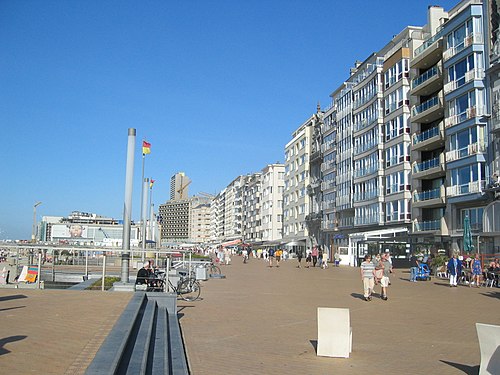
Ostend, a prominent coastal city in Belgium, is situated along the North Sea in the province of West Flanders. Known for its rich maritime heritage and as a pivotal resort destination, Ostend has evolved from a small fishing village in the Middle Ages into a bustling city. With a population of approximately 70,000 residents, it is one of Belgium's main cities on the coast, attracting both tourists and locals alike. The city is famed for its long sandy beaches, elegant promenade, and vibrant cultural scene, which includes theaters, museums, and events throughout the year.
Historically, Ostend played a significant role in trade and commerce due to its strategic location. The city gained prominence in the 18th century when it became a fashionable spa town, drawing visitors looking for relaxation and health benefits from the sea. Ostend is also known for its connection to World War I and World War II, serving as a crucial location for military operations. The city's historical landmarks include the Royal Galleries, the iconic Ostend Pier, and the Fort Napoleon, which highlight its past. Ostend’s modern attractions include the Ostend Film Festival and the annual Christmas market, showcasing the city’s commitment to culture and social activities.
In addition to its cultural significance, Ostend boasts an array of culinary delights, particularly seafood, thanks to its heritage as a fishing hub. The city's waterfront is dotted with numerous restaurants and cafes where visitors can savor local specialties while enjoying views of the sea. Ostend is also well connected, with a railway station that offers convenient access to major Belgian cities such as Bruges and Ghent. With its blend of history, culture, and seaside charm, Ostend remains a popular destination for both relaxation and exploration, epitomizing the allure of the Belgian coast.
Facts about Ostend
- Ostend is known as 'The Queen of the Belgian Coast' due to its prominence as a seaside resort.
- The city features the only casino in Belgium located right on the beach, known as the Casino Kursaal.
- Ostend has a rich maritime history, being one of the major fishing ports in Belgium and home to the largest fishing fleet in the country.
- The city was a significant military site during both World Wars, with various fortifications and remains still present today.
- Ostend hosts the renowned annual Ostend Film Festival, which showcases Belgian and international films, making it a key cultural event.
- The James Ensor House, dedicated to the famous Belgian painter and a leading figure in the avant-garde movement, is located in Ostend.
- Ostend's large beach and promenade are among the longest in Belgium, attracting tourists during the summer months.
- The city is known for its unique architecture, including the iconic Gothic Revival church, the Church of Saint Peter and Saint Paul.
- Ostend was a popular destination for European royalty in the late 19th and early 20th centuries, leading to the establishment of luxurious hotels and villas.
- The city's New Year's swim tradition, where hundreds of brave participants plunge into the North Sea on January 1st, is a hallmark of its vibrant local culture.