Ōtake, Japan
- 30,151 people
- 11 places to visit
- 34.2377, 132.2222
Places to Visit (11)
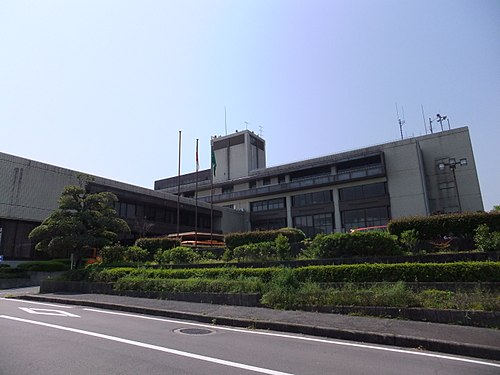
Ōtake is a city located in the Hiroshima Prefecture of Japan, situated on the western coast of Honshu Island. It is part of the Chūgoku region and is known for its picturesque coastal scenery and rural charm. As of October 2023, Ōtake had a population of approximately 17,000 residents. The city covers an area of 121.03 square kilometers and features a mix of urban and natural environments. Ōtake's economy primarily relies on agriculture, aquaculture, and tourism, with an emphasis on traditional Japanese crafts and local food production. The region is particularly famous for its fishing, especially for the production of sea bream and the cultivation of oysters.
Culturally, Ōtake is home to a wealth of historical sites and natural attractions. The city's coastal line offers beautiful views of the Seto Inland Sea, which is dotted with small islands and is known for its stunning sunsets. One noteworthy landmark is the Shōin Shrine, dedicated to the Confucian scholar Yoshida Shōin, who influenced Japan's modernization during the Meiji Restoration. The city also hosts various annual festivals that celebrate local traditions and food, attracting visitors from surrounding areas. Additionally, the rich natural environment supports outdoor activities such as hiking and cycling, with nearby mountains and coastal trails providing scenic routes for nature enthusiasts. With its blend of history, culture, and natural beauty, Ōtake serves as an inviting destination for both residents and tourists.
Facts about Ōtake
- Ōtake is known for its production of the unique 'Otake Pottery', which has a history that dates back to the Edo period.
- The city is home to the famous 'Otake Yamabushido', a significant site for the training of yamabushi, the ascetic practitioners of Shugendo, a syncretic religion.
- Ōtake features scenic coastal views along the Seto Inland Sea, making it a popular destination for beachgoers and nature lovers.
- The city hosts the annual 'Ōtake Matsuri', a festival that showcases traditional Japanese culture, music, and dance, highlighting its local heritage.
- Ōtake is distinguished by the 'Seikei Shrine', which is dedicated to the deity of agriculture and is notable for its beautiful cherry blossoms in spring.
- It is the only city in Japan officially recognized as a 'Nihon Ippin' location, which means it’s acknowledged for its high-quality local products, particularly seafood.
- Ōtake has a vibrant history as a port town that played a significant role during the Edo period in facilitating trade and cultural exchange.
- The city has several historical ruins and sites, including remnants of castle walls that date back to the Sengoku period, highlighting its strategic importance in feudal Japan.
- Ōtake is also known for its unique geological formations, including the 'Otake Caves', which attract geologists and tourists alike with their stunning rock formations.
- The city promotes eco-tourism with initiatives focusing on preserving its natural landscapes, including the nearby Setonaikai National Park.