Ottawa, Canada
- 812,129 people
- 17 places to visit
- 45.4201, -75.7003
Places to Visit (17)
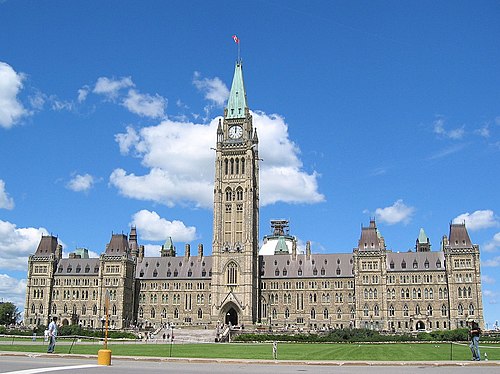
Ottawa, the capital city of Canada, is located in the province of Ontario, along the banks of the Ottawa River, directly across from Gatineau, Quebec. Established in 1826 as Bytown, the city was named Ottawa in 1855. With a population of approximately 1 million inhabitants, it is the fourth largest city in Canada. Ottawa is known for its rich history, vibrant culture, and significant political prominence as the heart of the Canadian federal government. It is home to important national institutions, including Parliament Hill, where the Canadian House of Commons and Senate convene. The city also hosts the official residences of the Prime Minister and the Governor General.
Ottawa boasts an array of cultural attractions and green spaces. The National Gallery of Canada, the Canadian Museum of History (located in adjacent Gatineau), and the Rideau Canal—a UNESCO World Heritage Site—are notable points of interest. The canal, which transforms into the world’s largest naturally frozen skating rink in winter, is central to Ottawa's recreational activities. The city takes pride in its diverse population, which reflects a variety of cultural backgrounds due to ongoing immigration. Annual events such as Winterlude, Canada Day festivities, and the Ottawa International Jazz Festival showcase this cultural diversity. Furthermore, Ottawa’s extensive park system, including Gatineau Park, provides residents and visitors with outdoor recreational opportunities, from hiking in the summer to skiing in the winter. The city's blend of historical significance, vibrant culture, and natural beauty makes it a unique and attractive destination within Canada.
Facts about Ottawa
- Ottawa is the capital city of Canada, making it the political center of the country and home to key national institutions.
- The Rideau Canal, which flows through Ottawa, is the world's largest skating rink during the winter months and is a UNESCO World Heritage Site.
- Ottawa is the only city in North America that has a city-owned and operated arts, culture, entertainment, and recreation facility, the National Arts Centre.
- The city boasts the largest system of public art in Canada, featuring over 400 works of art in public spaces.
- Ottawa hosts the annual Canadian Tulip Festival, celebrating the gift of tulips from the Dutch royal family and showcasing over a million tulips in bloom each spring.
- Parliament Hill is home to Canada's federal government, featuring stunning Gothic Revival architecture and hosting the daily Changing of the Guard ceremony in summer.
- Ottawa is known for its bilingualism, being designated as a bilingual city with both English and French as official languages.
- The Canadian Museum of History, located just across the river in Gatineau, Quebec, is one of the most visited museums in Canada, offering insights into the country's cultural heritage.
- Ottawa has a rich indigenous history, with several First Nations groups including the Algonquin people having a significant impact on the region's culture and history.
- The city is often credited with having the highest number of national museums and cultural institutions per capita in Canada, such as the Canadian War Museum and the Canadian Museum of Nature.