Ottawa IL, United States
- 18,342 people
- 12 places to visit
- 41.3456, -88.8426
Places to Visit (12)
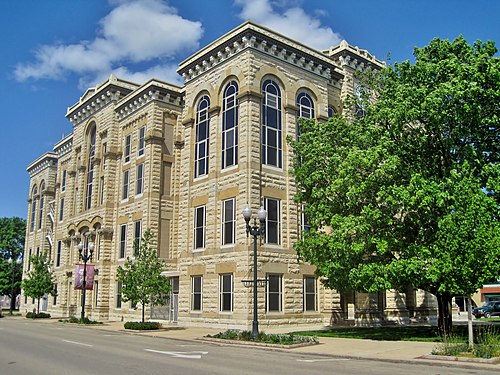
Ottawa, Illinois, located at the confluence of the Illinois and Fox Rivers, is a city known for its rich history and vibrant community. Established in 1836, Ottawa was initially a trade and transportation hub due to its strategic location, which facilitated river navigation and trade routes. The city's name is derived from the Ottawa tribe of Native Americans, who inhabited the region before European settlers arrived. As the county seat of LaSalle County, Ottawa played a significant role in the development of the surrounding area, especially during the 19th-century industrial boom. The arrival of the Illinois and Michigan Canal in the 1840s further boosted the city's economy, allowing for the transportation of goods between the Great Lakes and the Mississippi River.
Today, Ottawa is recognized for its historical landmarks, including the grand and picturesque downtown area featuring numerous preserved 19th-century buildings. Outdoor enthusiasts are drawn to the nearby Starved Rock State Park, known for its stunning canyons and seasonal waterfalls, which provide opportunities for hiking, fishing, and camping. The city also boasts a growing arts scene, hosting various events and festivals throughout the year, such as the annual Ottawa Riverfest, which celebrates the community’s rich cultural heritage and natural beauty. With a population of just over 18,000 residents, Ottawa maintains a small-town charm while offering modern amenities, making it a desirable place to live and visit. The city's commitment to preserving its historical roots while encouraging growth and development reflects the resilient spirit of the community.
Facts about Ottawa
- Ottawa, Illinois is known as the 'City of Festivals', hosting a range of annual events, including the popular Ottawa Riverfest and the historical 'Canal Days'.
- The city is positioned at the confluence of the Illinois and Fox Rivers, making it a historic trade and transportation hub since its founding in 1835.
- Ottawa is home to the historic Ottawa Canal, which was part of the Illinois and Michigan Canal, a key waterway that facilitated trade and settlement in the 19th century.
- The city features the striking 'Starved Rock State Park' nearby, known for its scenic canyons, waterfalls, and hiking opportunities, attracting outdoor enthusiasts from across the region.
- Ottawa has a rich architectural heritage, exemplified by its 19th-century buildings, including the historic Franklin County Courthouse and the architecturally significant Ottawa House.
- The city played a notable role in the Underground Railroad, as many local abolitionists worked to help enslaved people escape to freedom in the north.
- Ottawa is also recognized for the historic 'Ottawa High School', which has been an important educational institution since it was established in 1864.
- The city is the birthplace of noted figures, including William D. Boyce, founder of the Boy Scouts of America, reflecting its contributions to national movements.
- Ottawa has a vibrant arts scene, with venues like the Ottawa Art League that promote local artists and host exhibitions for the community.
- The scenic Ottawa River and Fox River provide recreational activities such as fishing, boating, and kayaking, enhancing the city's appeal for nature lovers.