Owerri, Nigeria
- 545,000 people
- 12 places to visit
- 5.5096, 7.0391
Places to Visit (12)
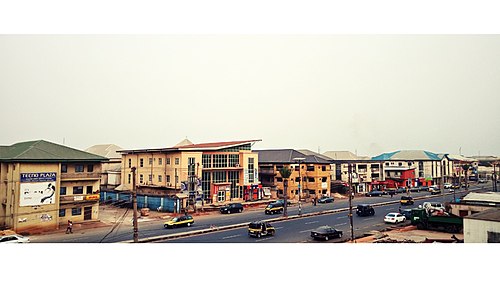
Owerri is the capital city of Imo State in southeastern Nigeria, known for its rich cultural heritage and vibrant traditions. Established in the early 20th century, Owerri has grown into a significant urban center with a population of over 300,000 people, according to recent estimates. The city revolves around a diverse economy that includes trade, education, and public administration, being a hub for various industries and commerce in the region. The economy benefits from the fertile land that surrounds the city, which supports agriculture, particularly in the cultivation of yams, cassava, and other staples.
Culturally, Owerri boasts a rich heritage characterized by its festivals, music, and cuisine. The city is famous for its annual festivals, such as the Iriji-Mmanwu festival, celebrating the yam harvest, and the Ofala festival, which showcases traditional leadership. The people of Owerri, predominantly of the Igbo ethnic group, are known for their artistic expressions, including traditional music, dance, and craftmaking. The city also features various landmarks, including the National Museum of Unity, which highlights Nigeria's historical and cultural artifacts, and the Owerri Leisure Park, a popular recreational area for families and visitors. In recent years, Owerri has gained a reputation as a center for tourism, offering visitors a glimpse into its rich traditions and lively atmosphere.
In terms of education, Owerri is home to several higher institutions, including the Federal Polytechnic, Owerri, and Imo State University, contributing to its status as an educational hub in the region. The city has made strides in infrastructural development, aiming to improve transportation and investment opportunities, although challenges such as urban congestion and inadequate public services remain. Overall, Owerri continues to evolve, balancing its cultural heritage with modern aspirations, making it a vibrant city that reflects the spirit of southeastern Nigeria.
Facts about Owerri
- Owerri is the capital city of Imo State in southeastern Nigeria, known for its rich cultural heritage and historical significance.
- The city is renowned for its vibrant nightlife and is often referred to as the 'Land of Hospitality' due to its welcoming nature and numerous social venues.
- Owerri boasts the famous Mbari Cultural and Art Centre, which serves as a hub for traditional arts and crafts, reflecting the region's rich artistic heritage.
- The city hosts the annual Owerri Carnival, a colorful celebration of the local culture that attracts visitors from across Nigeria and beyond.
- Owerri is home to several higher education institutions, including the Imo State University and the Federal Polytechnic Nekede, contributing to the city's reputation as an educational hub.
- The city has a flourishing economy driven by trade, commerce, and agriculture, particularly in the production of yams and cassava.
- Owerri is known for its unique local cuisine, particularly dishes like 'ofada rice' and 'bitter leaf soup,' reflecting the culinary diversity of the Igbo people.
- The city features several historical landmarks, including the Owerri Town Hall and the EZE Imo House, which showcase Igbo traditional architecture.
- Owerri has a distinct dialect called Owerri Igbo, which differs from other Igbo dialects spoken in different regions, adding to its cultural uniqueness.
- The city has experienced significant growth in infrastructure and development in recent years, making it one of the fastest-growing cities in Nigeria.