Oxkutzkab, Mexico
- 23,096 people
- 11 places to visit
- 20.3011, -89.4186
Places to Visit (11)
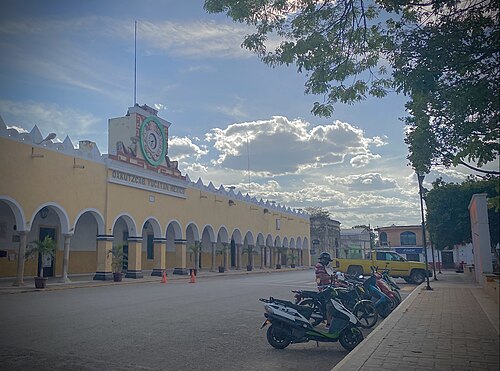
Oxkutzcab is a city located in the state of Yucatán, Mexico. It serves as the municipal seat of the Oxkutzcab Municipality and is situated approximately 80 kilometers southwest of the state capital, Mérida. The name Oxkutzcab, derived from the Mayan language, translates to "place of the nine species of squash," reflecting the area's agricultural significance and its historical roots in Mayan culture. Founded in the early 16th century, the city has a rich history that intertwines indigenous heritage with colonial influences, especially from the Spanish conquest.
The economy of Oxkutzcab is primarily based on agriculture, with a focus on the cultivation of tropical fruits, such as oranges, mangoes, and limes. The city is also recognized for its production of honey and has gained a reputation for the quality of its honey, which is revered both nationally and internationally. The agricultural activities are supported by the fertile lands of the region and a variety of climatic conditions conducive to diverse crop production. Oxkutzcab hosts a local market where residents and visitors can find fresh produce, handicrafts, and traditional Yucatecan foods, contributing to the vibrant lifestyle of the city.
Culturally, Oxkutzcab is noted for its festivals, particularly the Fiesta de la Santísima Cruz held in May, which features colorful processions and traditional music, celebrating both its religious and cultural identity. The city is home to several historical landmarks, including colonial-era churches and cenotes, natural underwater sinkholes that are common in the Yucatán Peninsula. These sites attract visitors interested in exploring the history and natural beauty of the area. The combination of agricultural abundance, cultural richness, and historical significance makes Oxkutzcab a unique and important part of Yucatán's tapestry.
Facts about Oxkutzkab
- Oxkutzcab is known as the 'Citrus Capital of Mexico,' primarily due to its abundant production of citrus fruits such as oranges, lemons, and limes.
- The city is recognized for its unique blend of Mayan and colonial Spanish influences, evident in its architecture and cultural practices.
- Oxkutzcab hosts the annual 'Feria de la Naranja' (Orange Festival), celebrating the local citrus industry with music, dance, and culinary showcases.
- The name 'Oxkutzcab' is derived from the Maya language, meaning 'place of the three cultures'—referring to its rich blend of Mayan heritage, Spanish colonial influence, and modern Mexican culture.
- The region around Oxkutzcab is home to various archaeological sites, including those with remnants of ancient Mayan civilizations, making it a focal point for historical studies.
- Oxkutzcab is situated at a strategic location along the Puuc region, providing access to numerous historic towns and cenotes, enhancing its appeal to tourists.
- The city is a hub for traditional crafts, especially textiles and embroidery, showcasing the artistic skills of its local artisans.
- Oxkutzcab is less commercialized than many other tourist destinations in Mexico, offering a more authentic experience of local life and culture.
- The municipality has a strong agricultural tradition and is crucial to the economy of the Yucatán Peninsula due to its focus on sustainable farming practices.
- Education plays a significant role in Oxkutzcab, with efforts to preserve indigenous languages and traditions through local schools and cultural programs.