Oyo, Nigeria
- 736,072 people
- 1 places to visit
- 7.8537, 3.9324
Places to Visit (1)
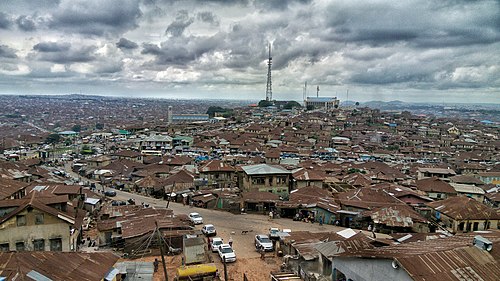
Oyo is a prominent city located in Southwest Nigeria, serving as the capital of Oyo State. It is historically significant as one of the major centers of the Yoruba culture and is known for its rich heritage, which links back to the powerful Oyo Empire that thrived from the 14th century until the 19th century. The city has evolved from its historical significance as a political and military power to a vibrant urban area with a mix of traditional and modern influences. Modern Oyo is characterized by its bustling markets, educational institutions, and a diverse population that reflects the ethnic and cultural mosaic of the broader Yoruba community.
In contemporary times, Oyo's economy is primarily driven by agriculture, trade, and education. The surrounding fertile lands support the cultivation of crops such as yam, cassava, maize, and cocoa, contributing significantly to the livelihoods of many residents. The city is also home to several institutions of higher learning, including the Polytechnic of Oyo and the College of Education, enhancing its role as an educational hub in the region. Additionally, Oyo is famous for its historical landmarks, including the Aje Olokun Shrine and the Bower Tower, which offer insights into the city's past and attract visitors. The city hosts various cultural festivals that celebrate Yoruba traditions, music, and art, showcasing its commitment to preserving its cultural identity while adapting to the demands of modern urban life.
Facts about Oyo
- Oyo is one of the oldest cities in Nigeria, historically significant as the capital of the Oyo Empire, which was one of the largest and most powerful Yoruba kingdoms.
- The city is renowned for its traditional Yoruba architecture and is home to the historic Alafin's palace, which is a notable landmark and cultural heritage site.
- Oyo is known for its vibrant cultural festivals, including the Oyo Festival, which celebrates the city's rich history and traditions through music, dance, and traditional attire.
- The city has a significant educational legacy, being home to the University of Oyo, one of the first higher education institutions established in the region.
- Oyo is famous for its unique craftwork, particularly traditional textiles like Aso-Oke, which is a hand-woven fabric that plays a major role in Yoruba culture and ceremonies.
- The city is strategically located and serves as a major trade hub in southwestern Nigeria, linking different parts of the country and facilitating economic activities.
- Oyo is recognized for the historic role it played in the abolition of slavery in Nigeria, with influential leaders from the area advocating for social justice.
- The city hosts the Agodi Gardens, a popular recreational spot offering natural beauty, gardens, and leisure facilities, contrasting the urban environment.
- Oyo has made significant contributions to Nigerian music, particularly through traditional drumming and the popular musical genre known as 'jujuh.'
- Oyo is known for its long-standing traditional governance system, with the title of Alafin being significant in Yoruba politics and culture, emphasizing political history.