Ozorków, Poland
- 20,608 people
- 11 places to visit
- 51.9633, 19.2914
Places to Visit (11)
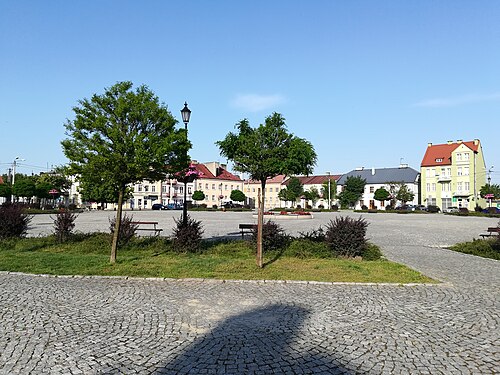
Ozorków is a town situated in central Poland, within the Łódź Voivodeship, specifically in Zgierz County. With a population of approximately 15,000 residents, it is a small but notable town known for its rich history and cultural significance. Ozorków dates back to the 13th century, and it was granted town rights in 1455. It originally emerged as a center for trade and crafts, particularly due to its advantageous location along important trade routes. The town's historical architecture reflects its past, including 19th-century buildings and several churches that contribute to its quaint character.
The economy of Ozorków has transitioned over the years from traditional crafts and agriculture to more modern industries. Historically, it was famous for its textile production, which influenced the local economy significantly. In contemporary times, Ozorków has diversified, with small and medium-sized enterprises playing a crucial role in maintaining economic stability. The town is also well connected to larger urban centers, such as Łódź, which is located about 20 kilometers to the southwest, making it a convenient locality for commuters. Cultural life in Ozorków is vibrant, with various events and festivities celebrating local traditions and community spirit. Its proximity to natural parks and recreational areas also attracts visitors who enjoy outdoor activities. Thus, Ozorków is both a historical and modern town, balancing its rich heritage with current economic developments.
Facts about Ozorków
- Ozorków is known for its historical significance in the textile industry, particularly during the 19th century when it became an important center for linen production.
- The city's layout features a unique combination of urban planning and agricultural land, reflecting its historical roots as a small farming community before industrialization.
- Ozorków is home to the Church of St. Joseph, a neo-Gothic structure built in the late 19th century, which stands out for its intricate stained glass and detailed architectural elements.
- The city celebrates its annual Ozorków Fair, which is a local event showcasing crafts, local produce, and cultural performances, drawing visitors from surrounding regions.
- In the 19th century, Ozorków witnessed rapid population growth due to its industrial developments, which is distinct when compared to other Polish towns that did not experience similar industrial booms.
- Ozorków has a rich Jewish heritage, with historical sites and remnants of the Jewish community that once thrived in the area before World War II.
- The city's proximity to the Górna River has impacted its development and local economy, making it a strategic location for trade and transportation.
- Ozorków's local cuisine reflects influences from various cultures due to its historical position as a trade hub, offering unique dishes not commonly found in other parts of Poland.
- The city is surrounded by green hills and forests, making it a popular spot for hiking and outdoor activities, which is unique compared to many urban areas in Poland.
- Ozorków has a tradition of local craftsmanship, particularly in ceramics and pottery, which has been passed down through generations, setting it apart from many industrial cities.