Ōzu, Japan
- 33,793 people
- 11 places to visit
- 33.5, 132.55
Places to Visit (11)
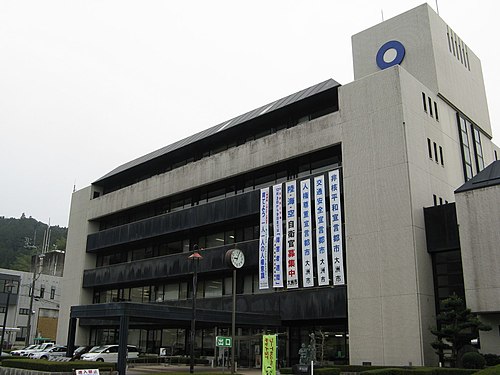
Ōzu is a charming city located in Ehime Prefecture on Shikoku Island, Japan. Known for its rich history and cultural heritage, Ōzu sits along the Hiji River and is surrounded by picturesque mountains and lush greenery. The city has a population of approximately 40,000 residents and covers an area of 570.64 square kilometers. Ōzu is characterized by a blend of traditional Japanese architecture and modern urban development, making it a unique destination for visitors.
Historically, Ōzu flourished during the Edo period when it became a lively castle town. The city's main attraction, Ōzu Castle, originally built in 1596, has been reconstructed and offers stunning views of the surrounding landscape. The town is famous for its well-preserved merchant district, which features narrow streets lined with traditional wooden buildings known as "machiya." These structures provide insight into the city's prosperous past and are complemented by cultural sites such as the Zuio-ji Temple, a significant Buddhist temple established in the 14th century. The city also hosts various festivals throughout the year, celebrating its history and community spirit, including the popular Ōzu Matsuri, which features traditional costumes and lively street performances.
In addition to its historical significance, Ōzu is renowned for its local food, particularly its delicacies made from seafood and agricultural products from the region. The city is also a gateway to the stunning natural beauty of the surrounding area, which includes the Shimanami Kaido, a scenic cycling route connecting the islands of the Seto Inland Sea. More than just a picturesque getaway, Ōzu encapsulates the essence of Japan's cultural and natural allure, making it an appealing destination for both domestic and international travelers.
Facts about Ōzu
- Ōzu is known as the 'Little Kyoto of Shikoku' due to its traditional wooden buildings and historical streetscapes.
- The city is famous for its production of 'Ōzu ware', a type of ceramics that has been recognized for its unique glaze and design.
- Ōzu's historic neighborhood, particularly the funaya (boathouses), gives visitors a unique glimpse into the ancient lifestyle of fishermen along the river.
- The city hosts the biannual 'Ōzu Matsuri', a traditional festival that showcases local culture, including floats and performances.
- Ōzu is often cited for its picturesque castle, Ōzu Castle, which has been named one of Japan's important cultural properties and offers stunning views of the surrounding area.
- The city was once a castle town and serves as a significant historical site that reflects the Edo period's architecture and urban planning.
- Ōzu is home to the Besshi Copper Mine, an important industrial site during the Meiji Restoration which contributed significantly to Japan's modernization.
- The city's famous hot spring, Dogo Onsen, located nearby, is regarded as one of Japan's oldest and has influenced the development of spa culture in the region.
- Ōzu has a strong theatrical tradition highlighted by its connection to the Bunraku puppet theater, recognized as a UNESCO Intangible Cultural Heritage.
- The city boasts a beautiful waterfront area along the Hijikawa River, known for its cherry blossoms, making it a popular spot for hanami (flower viewing) in spring.