Pabianice, Poland
- 70,542 people
- 16 places to visit
- 51.6574, 19.3562
Places to Visit (16)
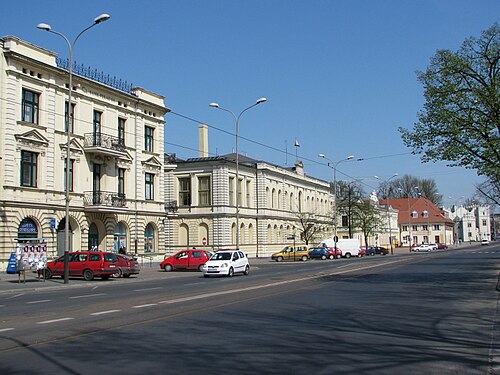
Pabianice is a city located in central Poland, approximately 15 kilometers southwest of Łódź, in the Łódź Voivodeship. As of 2021, it had a population of around 65,000 residents, making it one of the larger cities in the region. The city is known for its rich industrial history, particularly in textiles, which dates back to the 19th century when it became a prominent center for the textile industry in Poland. People from nearby locations often commuted to Pabianice for work in the numerous factories that operated during its industrial peak. The economy has since diversified, with services and commerce playing a significant role alongside the remaining industrial activities.
Pabianice boasts several points of interest, reflecting its historical and cultural heritage. The city features a range of architectural styles, with notable landmarks including the Church of St. Matthew, which dates back to the early 20th century, and the Pabianice Palace, which offers insights into the city’s past. The local municipal park, known as the "Park Wolności," provides a green space for leisure and recreation amidst a landscape of industrial buildings. In addition to its historical landmarks, Pabianice hosts various cultural events and festivals, contributing to a vibrant community life. The city's location near the capital of Łódź allows for easy access to broader cultural and educational opportunities, enhancing the lifestyle of its residents. This blend of history, industry, and culture makes Pabianice a notable city within Poland’s landscape.
Facts about Pabianice
- Pabianice is notable for its rich textile industry, which was a significant economic driver in the 19th century and contributed to its rapid growth.
- The city is home to the Pabianice Glassworks, one of the oldest glass production facilities in Poland, which dates back to the 19th century.
- Pabianice has a unique historical connection as it was the birthplace of many prominent figures in Polish culture and industry, including renowned painter Jerzy Nowosielski.
- The Pabianice Old Town has preserved historical architecture, including the Gothic St. James Church, which dates back to the 15th century.
- The city is known for its extensive parks and green spaces, such as the 'Pabianice Park,' which provide residents with recreational opportunities in an urban environment.
- Pabianice was granted town rights in 1430, making it one of the oldest cities in the region, with a well-documented history.
- The city holds an annual event called the Pabianice Carnival, which celebrates local culture, traditions, and community spirit through parades and festivities.
- Pabianice is strategically located near Lodz, making it a hub for commerce and industrial activities in Central Poland.
- The city has a unique historical railway station, a symbol of its past connectivity and industrial boom, which still functions today.
- Pabianice is distinguished for its active community efforts in promoting local art and culture, including hosting exhibitions and workshops for up-and-coming artists.