Pachuca de Soto, Mexico
- 256,584 people
- 15 places to visit
- 20.1011, -98.7591
Places to Visit (15)
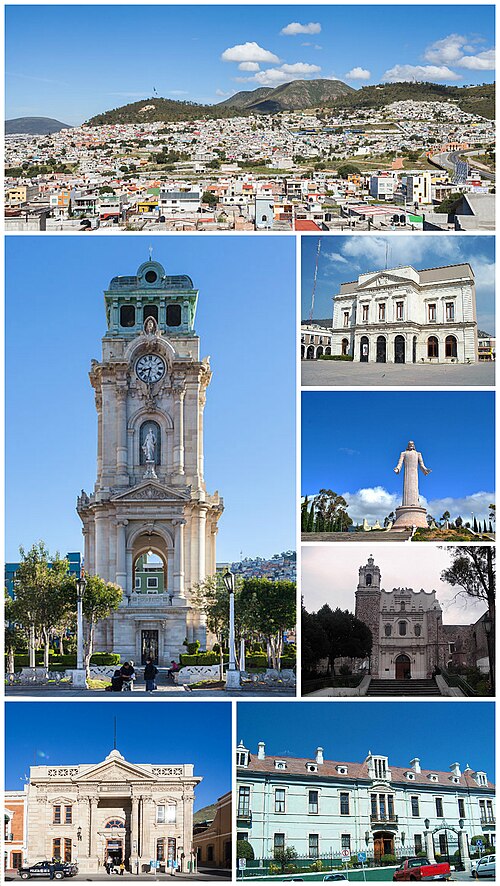
Pachuca de Soto, often simply referred to as Pachuca, is the capital city of the state of Hidalgo in central Mexico. Known for its rich mining history, Pachuca is situated at an elevation of approximately 2,400 meters (7,900 feet) above sea level, making it one of Mexico's higher cities. The area was originally inhabited by the Otomi people and later became part of the Spanish colonial empire in the 16th century. The discovery of silver mines in the 18th century transformed Pachuca into a bustling center for mining, earning it the nickname “La Bella Airosa” due to its windy weather. This legacy is reflected in the city's architecture and culture, with remnants of colonial buildings, mining infrastructure, and the striking Monumental Clock, which is a symbol of the city.
In addition to its historical significance, Pachuca serves as a cultural hub, home to various museums, theaters, and cultural festivals. Notable institutions include the Hidalgo Museum and the Cultural Center of Spain, both of which showcase the city’s artistic and historical heritage. The city also plays a crucial role in education, hosting several universities, including the Autonomous University of Hidalgo State. Despite its historical roots, Pachuca is also looking toward modernization, with investments in urban development and public infrastructure. The gastronomy of Pachuca reflects its regional characteristics, featuring traditional dishes such as “pastel de papa” (potato pie) and “mixiotes” (meat cooked in parchment).
Transportation in Pachuca has improved significantly in recent years, making it more accessible to other major cities. The city is connected by a network of roads and has a railway line that links it to Mexico City, facilitating commuting and tourism. As a city that blends its rich past with contemporary growth, Pachuca de Soto continues to attract visitors and residents alike, offering a unique glimpse into both the history and future of Mexico.
Facts about Pachuca de Soto
- Pachuca de Soto is known as 'La Bella Airosa' because of its strong winds, which are prominent in the area.
- The city has a rich mining history and is considered one of the most important mining centers in Mexico, particularly for silver and gold.
- Pachuca was the first city in Mexico to have street lights powered by electricity, introduced in the late 19th century.
- The Monumental Clock of Pachuca, built in 1910, is one of the most recognizable landmarks and symbolizes the city’s connection to its mining heritage.
- Pachuca de Soto is the capital of the state of Hidalgo and plays a crucial role in the state’s cultural and political landscape.
- The city is famous for its unique style of cuisine, notably its pastes, which are a type of pastry influenced by Cornish miners who settled in the area.
- Pachuca is home to the impressive Reloj Monumental, which features a striking neo-Gothic design and stands 40 meters tall.
- In 1869, Pachuca hosted the first edition of the 'Fiesta de la Primavera' (Spring Festival), marking the beginning of one of Mexico's longest-running annual celebrations.
- The city’s architecture showcases a blend of colonial, neoclassical, and modern styles, with several historic buildings recognized in national heritage lists.
- Pachuca is also known for its cultural festivals, including the International Festival of Dance and the Day of the Dead celebrations, attracting visitors from around the country.