Paço de Arcos, Portugal
- 25,974 people
- 7 places to visit
- 38.6968, -9.2916
Places to Visit (7)
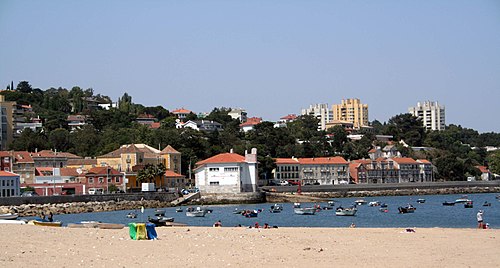
Paço de Arcos is a charming civil parish located in the municipality of Oeiras, Portugal, situated along the banks of the Tagus River. It boasts a rich historical background, tracing its roots back to the Middle Ages. Originally a fishing village, Paço de Arcos evolved significantly in the 19th century when it became a fashionable retreat for Lisbon's elite, who were drawn to its picturesque seaside views and mild climate. The name "Paço de Arcos," which translates to "Palace of the Arches," refers to a notable palatial structure that once served as a residence for noble families, reflecting the area’s aristocratic past.
Today, Paço de Arcos retains its seaside charm while also incorporating modern amenities. The waterfront features a beautiful promenade lined with palm trees, making it a popular destination for locals and tourists alike. The parish is well-connected to Lisbon via the train system, ensuring easy accessibility for commuters and visitors exploring the capital city. Among its architectural highlights, the Church of Nossa Senhora da Graça, dating back to the 17th century, stands out with its baroque design and historical significance. Paço de Arcos also hosts a variety of restaurants and cafés, where one can savor fresh seafood and traditional Portuguese cuisine. Cultural events and local festivals add vibrancy to community life, making Paço de Arcos a delightful blend of history, culture, and scenic beauty in the Lisbon region.
Facts about Paço de Arcos
- Paço de Arcos is known for its beautiful beaches along the Tagus River, providing stunning views and recreational opportunities unique among Portuguese coastal towns.
- The town hosts the historic Palace of Paço de Arcos, originally built in the 17th century as a summer residence for nobility, which adds to its unique historical significance.
- The area is famous for its seafood restaurants, particularly the fresh fish served from local catches, making it a gastronomic hub distinct from other regions in Portugal.
- Paço de Arcos is part of the municipality of Oeiras, which is known for its green spaces, such as the Oeiras Marina and Parque dos Poetas, offering a unique blend of urban and natural environments.
- The town features the Arcos de Paço de Arcos, an ancient archway that serves as a historical landmark and is a testament to the area’s architectural heritage.
- Paço de Arcos has a rich maritime history, having been a strategic point for shipping and trade along the Tagus River, which distinguishes it from many inland Portuguese towns.
- Every year, Paço de Arcos hosts various cultural events, including traditional fairs and music festivals, reflecting the local community's vibrant culture.
- The town's proximity to Lisbon allows for a suburban lifestyle with easy access to the capital, setting it apart from more isolated towns in Portugal.
- Paço de Arcos is also recognized for its artistic community, with several local artists and galleries showcasing contemporary Portuguese art.
- The area was historically known for its royal connections, with members of the Portuguese royal family visiting or residing in Paço de Arcos during the 19th century.