Padang, Indonesia
- 909,040 people
- 10 places to visit
- -0.948, 100.3631
Places to Visit (10)
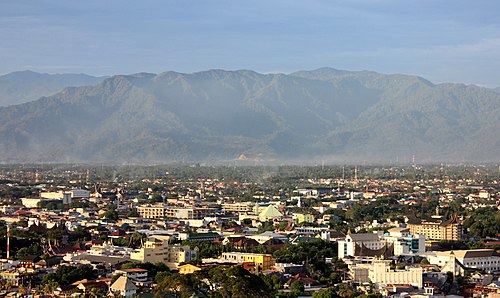
Padang is the capital city of West Sumatra province in Indonesia, located on the western coast of the island of Sumatra. Known for its rich cultural heritage and historical significance, Padang is a vibrant urban center characterized by its unique Minangkabau culture, which is recognized for its matrilineal social structure and distinctive architectural style, particularly the traditional rumah gadang, or "big house," known for its dramatic curved roof. The city is strategically situated along the Indian Ocean, making it an important trade and transportation hub, especially for regional commerce and the export of natural resources such as palm oil, rubber, and coffee.
With a population of over a million residents, Padang offers a mix of modern urban life and traditional practices. The city's bustling economy is supported by sectors such as agriculture, tourism, and fisheries. Padang is also celebrated for its culinary scene, particularly its spicy Minangkabau cuisine, which includes famous dishes like rendang (slow-cooked beef in spicy coconut milk) and nasi Padang (a style of serving rice with various dishes). Additionally, Padang serves as a gateway for tourists visiting the natural beauty of the surrounding region, including the Bukit Barisan mountain range and the Mentawai Islands, renowned for their surfing opportunities.
Padang's rich history begins with its establishment in the early kingdoms of Indonesia, playing a significant role during the colonial era and the struggle for Indonesian independence. In 2009, the city was struck by a devastating earthquake, which caused widespread damage and loss of life but also prompted a significant rebuilding effort that has revitalized parts of the city. Today, Padang is recognized for its resilience and continuing growth, attracting both domestic and international visitors interested in exploring its cultural landmarks, such as the historic Grand Mosque of Padang and various museums that preserve the Minangkabau culture. Through its blend of historical heritage, economic potential, and stunning landscapes, Padang stands as a key player in Indonesia's cultural tapestry.
Facts about Padang
- Padang is known for its unique Minangkabau culture, characterized by matrilineal society and traditional house architecture with distinctive soaring roofs.
- The city is famous for its diverse and delicious cuisine, particularly Padang food, which is known for its rich flavors and extensive use of spices, including dishes like Rendang and Sate Padang.
- Padang was one of the cities heavily affected by the 2004 earthquake and has since become a model for resilient rebuilding practices in Indonesia.
- The city's Old Town, known as 'Sawahlunto', features a rich history tied to coal mining and was once a hub for the Dutch colonial economy in the 19th century.
- Padang's waterfront area, known as the Anai Waterfall, is a popular tourist destination featuring stunning natural beauty and opportunities for outdoor activities.
- The city serves as the capital of West Sumatra province and is a center for Islamic studies in Indonesia, hosting several prominent universities.
- Padang is strategically located near several beautiful islands, including the Mentawai Islands, which are famous for their surf breaks and biodiversity.
- The iconic Great Mosque of West Sumatra, also known as Masjid Raya Sumatera Barat, showcases a blend of traditional and modern architectural styles.
- Padang has a unique tradition of 'rendang', which is designated as one of the world's most delicious foods; it highlights the culinary heritage of the Minangkabau people.
- Every year, Padang hosts the Festival Pesona Danau Singkarak, celebrating the rich culture and natural beauty surrounding Lake Singkarak, the largest lake in West Sumatra.