Pago Pago, American Samoa
- 11,500 people
- 11 places to visit
- -14.2732, -170.703
Places to Visit (11)
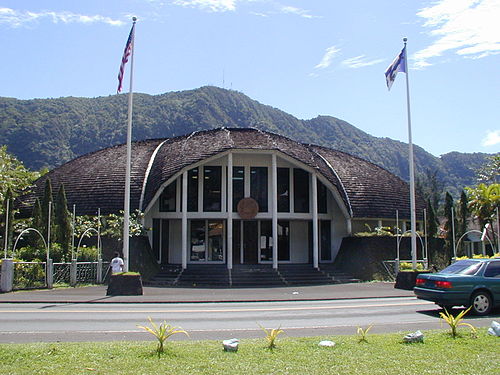
Pago Pago is the capital of American Samoa, an unincorporated territory of the United States located in the South Pacific Ocean. Situated on the eastern coast of the island of Tutuila, Pago Pago is known for its natural deep-water harbor, which is one of the finest in the South Pacific. The harbor has historically played a crucial role in the development of the area, serving both commercial shipping and U.S. naval operations during World War II. The city is surrounded by lush mountains and has a tropical climate, characterized by warm temperatures and high humidity, with distinct wet and dry seasons. The access to resources such as fish and other marine life has made Pago Pago an important center for fishing and processing.
The population of Pago Pago is diverse, with a mix of Samoan and American influences evident in the culture, cuisine, and daily life. As of the last census, the population hovers around 3,000 residents, making it the largest urban area in American Samoa. The city serves as a hub for government, education, and commerce within the territory. Important public institutions include the American Samoa Legislature and the territorial courthouse, reflecting the political significance of the city. While tourism is not as developed as in other Pacific Islands, Pago Pago does attract visitors due to its scenic beauty and rich cultural heritage. The local economy is bolstered by industries such as tuna canning and agricultural production, showcasing the reliance on both natural resources and the influence of American businesses. Overall, Pago Pago encapsulates a unique blend of Polynesian culture and American governance, offering insight into the complexities and charm of life in American Samoa.
Facts about Pago Pago
- Pago Pago is the capital and largest city of American Samoa, located on the island of Tutuila.
- The port of Pago Pago is one of the deepest natural harbors in the world, providing a strategic location for shipping and naval activities.
- The city was historically significant during World War II, serving as a military base for the U.S. Navy.
- Pago Pago hosts the National Park of American Samoa, which is unique for being the only national park in the U.S. that preserves a tropical rainforest environment.
- The city is known for its vibrant Samoan culture, featuring traditional practices, music, and dance that are integral to the community's identity.
- Pago Pago experiences a tropical rainforest climate, characterized by high humidity and significant rainfall throughout the year.
- The American Samoa Community College, located in Pago Pago, plays a crucial role in educational development in the territory.
- Pago Pago is home to the famous Rainmaker Mountain, which is a landmark offering picturesque views and extensive hiking trails.
- The city hosts the annual Pago Pago Hawaiian Festival, celebrating Polynesian culture, arts, and cuisine.
- Unlike other cities in American Samoa, Pago Pago is often more urbanized, showing a mix of traditional Samoan and modern influences.