Pájara, Spain
- 20,821 people
- 2 places to visit
- 28.3509, -14.1081
Places to Visit (2)
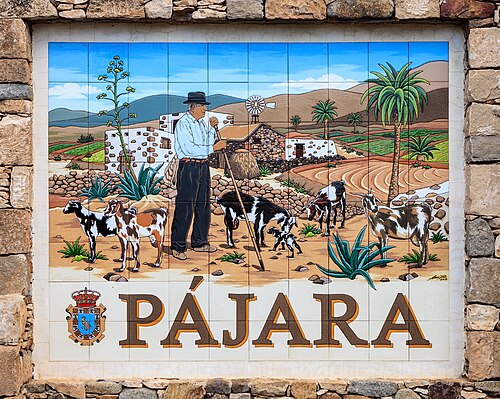
Pájara is a municipality located on the southern part of the island of Fuerteventura, which is one of the Canary Islands of Spain. Established in the 19th century, Pájara has its roots in the ancient indigenous Guanche culture before being influenced by Spanish colonization. The municipality covers a vast area of approximately 1,275 square kilometers, making it one of the largest in the Canary Islands. Pájara's geography is characterized by a mix of arid landscapes, sandy beaches, and mountainous terrain, with the Jandía Peninsula being a notable feature. The natural beauty of the area, coupled with its subtropical desert climate, has made Pájara a popular tourist destination, attracting visitors to its stunning coastlines, such as those in Costa Calma and Morro Jable.
Pájara is known for its cultural heritage, which reflects both indigenous and Spanish influences. The town center features traditional Canarian architecture, with whitewashed houses, wooden balconies, and vibrant gardens. One of the prominent cultural landmarks is the Church of Nuestra Señora de la Regla, built in the 18th century, which showcases a mix of architectural styles and is significant to the local community. Additionally, the municipality is home to several historic sites, including the remnants of ancient guanche settlements and the remnants of the old trade routes that connected different parts of the island. Pájara's economy relies largely on tourism, agriculture, and fishing, with a particular emphasis on sustainable practices aimed at preserving the island's natural environment. The local gastronomy is influenced by traditional Canarian cuisine, featuring fresh seafood, locally grown vegetables, and unique dishes like "gofio" made from roasted grains.
In recent years, Pájara has put a focus on sustainable development and conservation efforts, recognizing the importance of protecting its natural resources and promoting eco-tourism. The area is also home to several protected natural spaces, including the Jandía Natural Park, which offers opportunities for hiking, bird watching, and enjoying the island's diverse flora and fauna. With its rich history, cultural significance, and stunning natural landscapes, Pájara serves as an essential component of Fuerteventura's identity, continuing to evolve while preserving its unique character. The blend of tradition, natural beauty, and commitment to sustainability positions Pájara as an attractive destination for both tourists and those interested in experiencing the authentic culture of the Canary Islands.
Facts about Pájara
- Pájara is known for its stunning natural landscapes, including sand dunes and pristine beaches that are part of the Jandía Natural Park.
- The town has a unique architectural heritage, featuring traditional Canarian houses with characteristic wooden balconies and whitewashed walls.
- Pájara is home to the historical Church of Nuestra Señora de la Regla, built in the 18th century, which showcases a blend of Baroque and Mudejar architectural styles.
- The area holds significant archaeological sites, such as the indigenous Guanche caves, highlighting its ancient history and pre-Hispanic culture.
- Pájara hosts the annual Carnival of Pájara, a vibrant festival featuring parades, music, and colorful costumes that reflect the local culture.
- The local economy is heavily influenced by tourism, with Pájara being one of the main destinations on the island of Fuerteventura, especially for beachgoers and water sports enthusiasts.
- Pájara boasts some of the best surfing spots in Spain, with beaches like Playa de Sotavento attracting international surf competitions.
- The town has a unique landscape shaped by volcanic activity, which differentiates it from other regions in mainland Spain, offering a variety of outdoor activities.
- Pájara has a diverse flora and fauna, including endemic species, making it a popular location for nature lovers and researchers.
- The Pájara region is noted for its rich agricultural products, particularly in the production of cheese, a local delicacy that is protected under Spain's geographical indication scheme.