Pakpattan, Pakistan
- 126,706 people
- 5 places to visit
- 30.3495, 73.3827
Places to Visit (5)
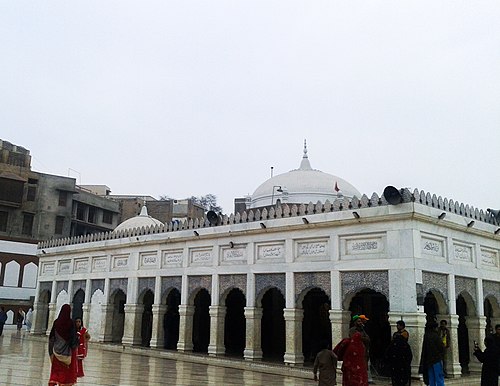
Pakpattan is a city located in the Punjab province of Pakistan, serving as the capital of Pakpattan District. Known for its rich history and cultural significance, the city lies approximately 200 kilometers southwest of Lahore, the provincial capital. Pakpattan is strategically positioned along the N-5 National Highway, facilitating transportation and connectivity with other major urban centers. The city's population is diverse, comprising various ethnic groups, which contributes to its vibrant cultural landscape.
Historically, Pakpattan has deep roots in Islamic heritage, primarily due to its association with the revered Sufi saint Baba Farid Ganj Shakar, who lived during the 12th century. The shrine dedicated to him attracts numerous visitors and pilgrims each year, making it a central point of spiritual significance within the region. The city boasts several historical landmarks, including the ancient mosque and the remnants of its once-thriving bazaars. Agriculture plays a crucial role in the local economy, with fertile lands surrounding Pakpattan yielding crops such as cotton, wheat, and sugarcane. In addition to agriculture, small-scale industries and trade also contribute to the economy, while local markets foster a bustling commercial environment. The combination of its historical relevance, economic activities, and cultural richness makes Pakpattan a notable city within Pakistan’s diverse tapestry.
Facts about Pakpattan
- Pakpattan is home to the shrine of Baba Farid, a revered Sufi saint and poet, making it a significant pilgrimage site for Sufi followers from across the region.
- The city is known for its rich agricultural production, particularly in rice and wheat, thanks to its location in the fertile Punjab province.
- Pakpattan was historically known as 'Patton' and was a major stop for travelers on the Grand Trunk Road, which is one of Asia's oldest and longest major roads.
- In 1947, Pakpattan became a center for refugees during the partition of India, and the city grew significantly as people sought safety and new opportunities.
- The city boasts a vibrant history tied to the Sikh and Mughal empires, as reflected in various historical sites and architecture found throughout the area.
- Pakpattan is surrounded by lush green fields and the famous Thal desert, providing a unique juxtaposition of natural landscapes.
- The culinary traditions of Pakpattan feature distinct local dishes, with a focus on traditional Punjabi cuisine, including biryani and seekh kebabs.
- Pakpattan is also known for local handicrafts, particularly pottery and woven textiles, which are culturally significant and contribute to the local economy.
- The city hosts an annual Urs (death anniversary) of Baba Farid, attracting thousands of devotees for spiritual gatherings, cultural exhibitions, and music.
- Pakpattan serves as a cultural melting pot with a diverse population representing various ethnicities and languages, contributing to its rich cultural tapestry.