Pakse, Laos
- 88,332 people
- 4 places to visit
- 15.1172, 105.8159
Places to Visit (4)
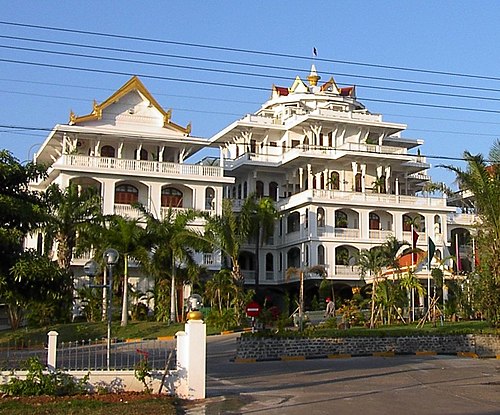
Pakse is a city in southern Laos, located at the confluence of the Mekong and Tonle Sap rivers. As the capital of Champasak Province, Pakse serves as a major economic and cultural hub for the region. With a population of approximately 100,000, it is one of the largest cities in Laos and plays a critical role in trade and transportation, particularly as a gateway to the scenic Bolaven Plateau and the historical sites in southern Laos. The city has a rich colonial history, reflected in its French architecture, including charming villas and public buildings that line its streets. Pakse’s unique location also makes it an excellent base for exploring nearby attractions such as the waterfalls of Khone Phapheng and the ancient ruins of Wat Phou, a UNESCO World Heritage site.
The economy of Pakse is primarily driven by agriculture, tourism, and trade. The surrounding fertile plains produce rice, coffee, and various fruits, contributing significantly to both local and national markets. Tourism has become increasingly important, drawing visitors eager to experience the natural beauty and cultural richness of the area. Activities such as trekking, cycling, and river cruises are popular among tourists, offering a glimpse into the stunning landscapes of southern Laos, ranging from lush mountains to the diverse ecosystems of the Mekong River. Additionally, the city hosts a vibrant market scene, where local crafts, traditional foods, and fresh produce are available, reflecting the region's rich cultural heritage. With its blend of natural beauty, historical significance, and growing economic opportunities, Pakse is an important destination in Laos that continues to evolve.
Facts about Pakse
- Pakse is known for being the largest city in southern Laos and serves as the economic and cultural center of the Champasak Province.
- The city is strategically located at the confluence of the Mekong and Sedone Rivers, making it a crucial hub for trade and transportation.
- Pakse was founded in the late 19th century during the French colonial era and features a mix of French colonial architecture with traditional Lao structures.
- The city is famous for its proximity to the UNESCO World Heritage Site of Wat Phu, an ancient Khmer temple complex.
- Pakse is often considered the gateway to the Bolaven Plateau, which is renowned for its cooler climate and coffee production.
- The annual Pakse International Half Marathon attracts runners from all over the world, promoting sports tourism in the region.
- Pakse hosts the vibrant Champasak Cultural Festival, celebrating the local heritage, cuisine, and traditions of the region.
- The city's bustling markets, especially the Dao Heung Market, offer a rich variety of local handicrafts and culinary delights unique to southern Laos.
- Pakse is a significant location for ecotourism, providing access to nearby waterfalls, such as Tad Yuang and Tad Fane, which are not as easily accessible from other parts of the country.
- The city is known for its Laotian coffee culture, with several local coffee plantations producing high-quality coffee beans that contribute to the national economy.