Palafrugell, Spain
- 22,365 people
- 11 places to visit
- 41.9183, 3.1624
Places to Visit (11)
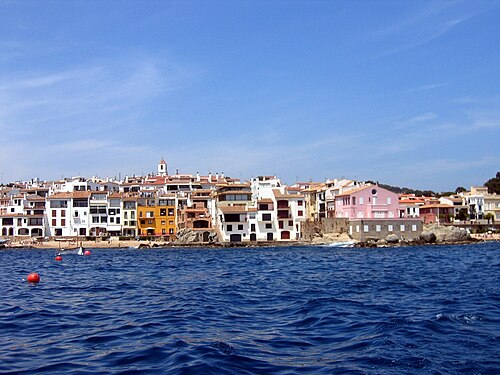
Palafrugell is a charming coastal town located in the Catalonia region of northeastern Spain, specifically within the province of Girona. Nestled along the Costa Brava, Palafrugell is celebrated for its stunning beaches, picturesque landscapes, and rich cultural heritage. The town is situated roughly 40 kilometers south of Girona and 150 kilometers northeast of Barcelona. Historically, it has been an important fishing and trading port, with its economy shifting over the years from fishing to tourism and agriculture, particularly the cultivation of olives and wine grapes. The town features a Mediterranean climate, characterized by warm summers and mild winters, making it an attractive destination year-round.
Palafrugell boasts several notable attractions, including its beautiful coastline composed of scenic coves and sandy beaches like Llafranc and Calella de Palafrugell. These beaches are popular for swimming, sailing, and sunbathing, drawing both local visitors and international tourists. The area is also known for its natural beauty, with the surrounding hills providing opportunities for hiking and exploring the region’s flora and fauna. Cultural richness is a hallmark of Palafrugell, with a blend of Catalan traditions and influences. The town hosts various festivals throughout the year, including the Festa de la Verge del Carme, which honors the patroness of fishermen and features colorful processions and celebrations. Visitors can explore traditional architecture, including the Church of Sant Pere and various charming streets lined with shops and restaurants offering local delicacies.
In addition to its natural charm and cultural significance, Palafrugell is a gateway to the larger attractions of the Costa Brava and the wider region of Catalonia. The town serves as a launching point for excursions to nearby sites, such as the historic coastal village of Tossa de Mar and the Dalí Theatre-Museum in Figueres. The surrounding area is also adorned with beautiful landscapes and artistic heritage, showcasing the region's history and allure. Overall, Palafrugell is a magnificent blend of natural beauty, rich culture, and a tranquil coastal lifestyle, making it a compelling destination for those seeking to experience the picturesque charm of the Catalan coast.
Facts about Palafrugell
- Palafrugell is located in the region of Costa Brava, known for its stunning coastal scenery and rugged beaches.
- The town is famous for its traditional festivals, particularly the 'Festa de la Berenjena de Módena,' celebrating local agricultural products.
- Palafrugell has a rich maritime history, once serving as a significant fishing port, which is reflected in its local culture and cuisine.
- The town is home to the iconic 'Cala de Mar,' a picturesque beach that attracts both locals and tourists for its natural beauty and tranquility.
- Palafrugell hosts the annual 'Palafrugell Music Festival,' which features various genres and draws performers from all over Spain.
- The 'Museu del Suro' (Cork Museum) highlights the town's history in cork production, an industry that has shaped the local economy and craftsmanship.
- Palafrugell is known for its modernist architecture, with several works by architect Josep Pla in the early 20th century.
- The surrounding natural parks, such as 'Parc Natural de Montgrí i les Illes Medes,' offer unique biodiversity and opportunities for outdoor activities.
- Local gastronomy features 'Suquet de Peix,' a traditional Catalan fish stew that reflects the town's fishing heritage.
- Palafrugell maintains a strong sense of community, celebrating its Catalan identity through various cultural events and traditions throughout the year.