Pālanpur, India
- 123,294 people
- 2 places to visit
- 24.1724, 72.4346
Places to Visit (2)
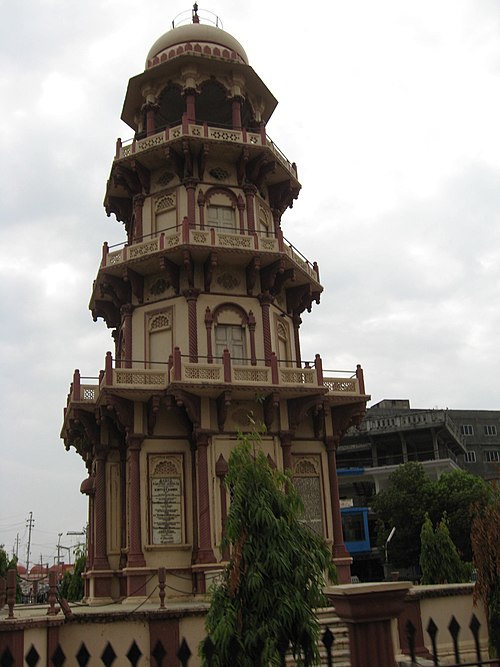
Pālanpur is a city located in the Banaskantha district of Gujarat, India. Rich in history and culture, it serves as both a municipal council and a regional administrative center. The city is situated on the banks of the Banas River, contributing to its fertile surroundings and agricultural significance. Pālanpur is well-connected to major cities in Gujarat, such as Ahmedabad and Udaipur, through a network of roads and railways, making it an accessible hub for trade and commerce. The city's strategic location near the border with Rajasthan has historically made it a point of cultural exchange and economic activity.
Pālanpur’s architecture reflects its historical importance, with various monuments and temples that highlight its heritage. Some notable sites include the Pālanpur Fort, which dates back to the 17th century and showcases Indo-Islamic architecture, and several ancient temples dedicated to local deities, attracting religious pilgrims and tourists alike. The economy of Pālanpur is primarily driven by agriculture, with the fertile lands surrounding the city facilitating the cultivation of crops such as cotton, wheat, and pulses. Additionally, small-scale industries and local markets contribute to the economic landscape, providing employment opportunities to the residents.
The city's demographic composition is diverse, with a mix of communities practicing different religions and cultures, reflecting the broader diversity of Gujarat. Education and healthcare facilities have been growing, enhancing the quality of life for its residents. Pālanpur also celebrates various local festivals, which play a crucial role in maintaining vibrant community bonds. The blend of rich cultural heritage, strategic location, and economic activity makes Pālanpur a significant city in Gujarat, embodying both traditional values and modern development.
Facts about Pālanpur
- Pālanpur is the administrative headquarters of the Banaskantha district in the Indian state of Gujarat.
- The city is known for its historical significance, having been a part of the erstwhile princely state of Bikaner under the Rajputs.
- Pālanpur is strategically located on the highway connecting Ahmedabad to Kutch, making it an important trade center.
- The region is famous for its unique blend of tribal and rural cultures, with various festivals celebrated throughout the year.
- Pālanpur is home to the historical Pālanpur Fort, which showcases Indo-Islamic architecture and has witnessed many battles.
- The city also has a prominent agricultural background, with cotton, wheat, and groundnuts being significant crops in the surrounding areas.
- An interesting feature of Pālanpur is the presence of numerous step-wells, known locally as 'baoris', which exemplify traditional water conservation techniques.
- Pālanpur has a vibrant market scene, particularly famous for its traditional handicrafts and local cuisine, including 'dal dhokli' and 'khandvi'.
- The city celebrates the annual 'Maha Shivratri Mela', which attracts participants and visitors from various regions, showcasing local customs and traditions.
- Pālanpur is also a gateway to the Thar Desert, providing access to unique ecosystems and rich biodiversity in the surrounding areas.