Palembang, Indonesia
- 1,668,848 people
- 12 places to visit
- -2.9761, 104.7754
Places to Visit (12)
Palembang, the capital of South Sumatra Province in Indonesia, is one of the oldest cities in the country, with a history that dates back to the 7th century. It was once the center of the Srivijaya Empire, a powerful maritime kingdom known for its trade in spices, gold, and other valuable goods. The city's strategic location along the Musi River facilitated commerce and cultural exchanges between the islands of Indonesia and the Indian subcontinent, fostering a vibrant economy. Today, Palembang is a bustling city, home to over a million residents, and retains its significance as an economic hub in Sumatra.
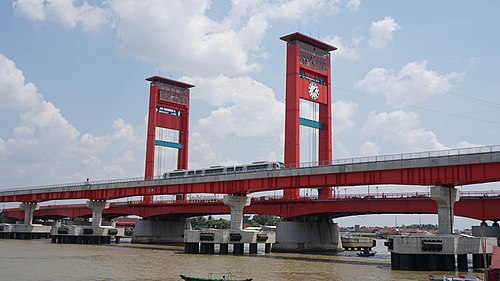
Modern Palembang is recognized for its rich cultural heritage and diverse population, which includes indigenous groups as well as migrants from various regions of Indonesia. The city is famous for its distinctive culinary offerings, such as Pempek, a fish cake typically served with a spicy vinegar sauce, and other traditional dishes that reflect the local palate. In addition to its culinary delights, Palembang is known for its historical sites, such as the Great Mosque of Palembang (Masjid Agung), the bold Palembang Grand Mosque, and the Ampera Bridge, an iconic symbol that spans the Musi River and connects different parts of the city. Palembang's development has been influenced by various economic activities, including agriculture, trade, and manufacturing, and it has recently gained attention for hosting the 2018 Asian Games, which showcased both its infrastructure improvements and commitment to sports development.
The city continues to evolve, balancing modernization with the preservation of its cultural roots. Efforts to enhance urban infrastructure, improve public transportation, and develop tourism have contributed to its growing reputation as a destination for both domestic and international visitors. Furthermore, Palembang's close proximity to natural attractions, such as Lake Ogan and the Bukit Barisan mountains, adds to its allure, making it a city that intertwines urban conveniences with the beauty of Indonesia's natural landscapes. As it moves forward, Palembang stands as a testament to the rich tapestry of Indonesian history and culture, continually reshaping its identity in a rapidly globalizing world.
Facts about Palembang
- Palembang is one of the oldest cities in Indonesia, dating back to the 7th century when it was the capital of the Sriwijaya Empire, a powerful maritime kingdom.
- The city is famous for its unique culinary specialty known as 'Pempek', a fish cake served with a distinctive vinegar sauce, which is a must-try for visitors.
- Palembang is home to the iconic Ampera Bridge, a symbol of the city that spans the Musi River and connects the two sides of the city, serving as both a vital transport link and a popular tourist attraction.
- The Musi River flowing through Palembang is one of the largest rivers in Indonesia and plays a crucial role in the local economy by facilitating trade and transportation.
- Palembang hosted the 2018 Asian Games in conjunction with Jakarta, making it one of the first Indonesian cities outside of the capital to co-host this prestigious international sporting event.
- It is known for its distinctive traditional houses called 'Rumah Limas,' which are characterized by their raised wooden structures and pyramidal roofs, showcasing the local architecture.
- The city celebrates the annual Palembang Cultural Festival, which highlights the rich cultural heritage of the region, including traditional music, dances, and culinary arts.
- Palembang is one of Indonesia's major oil production centers, contributing significantly to the country's energy sector and economy.
- The Grand Mosque of Palembang, or Masjid Agung, is one of the largest mosques in Indonesia, featuring a stunning blend of Persian, Indian, and Malay architectural styles.
- Palembang is also known for its diverse population, with various ethnic groups, including Malay, Chinese, and Javanese, contributing to its unique cultural tapestry.