Palermo, Italy
- 648,260 people
- 19 places to visit
- 38.1157, 13.3615
Places to Visit (19)
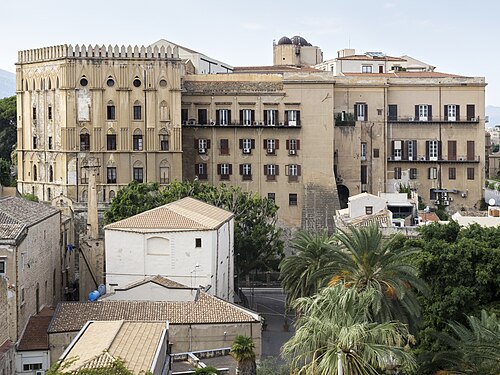
Palermo, the capital of Sicily, Italy, is a city steeped in history, culture, and vibrant local life. Situated on the northwestern coast of the island, it serves as a crucial port and cultural hub. Founded by the Phoenicians in the 8th century BC, Palermo has been influenced by various civilizations throughout its history, including the Romans, Byzantines, Arabs, Normans, and Spaniards. This diverse heritage is reflected in the city’s architecture, cuisine, and customs, making it a captivating destination for visitors. The historical center of Palermo, a UNESCO World Heritage site, showcases a blend of styles, from Arab-Norman palaces to Baroque churches, each narrating the story of the city's multifaceted past.
Attractions in Palermo are abundant, with the Palatine Chapel, adorned with stunning mosaics, being a must-visit. The nearby Norman Palace, once the kingdom's royal residence, features an impressive mixture of Arabic and Norman architecture. Additionally, the city is home to bustling markets like Vucciria and Ballarò, where locals sell fresh produce, street food, and traditional handicrafts, allowing visitors to immerse themselves in the day-to-day life of the city. Palermo's culinary scene reflects its historical influences, with an array of dishes such as arancini, panelle, and cannoli showcasing the island's unique flavors. The city's lively atmosphere is punctuated by festivals and events throughout the year, celebrating everything from religious traditions to cultural performances, ensuring that there is always something for both locals and tourists to enjoy. With its rich tapestry of history, exceptional food, and lively streets, Palermo stands out as a remarkable gem of Italian culture worth exploring.
Facts about Palermo
- Palermo is the capital of the Italian island of Sicily, making it distinct from other cities in mainland Italy.
- The city has a unique mix of architectural styles, including Arab-Norman, Byzantine, Baroque, and Neoclassical, due to its rich history of foreign influences.
- Palermo is home to the Palatine Chapel, a UNESCO World Heritage Site, renowned for its stunning mosaics and intricate design, showcasing the Arab-Norman architectural style.
- The Vucciria Market is one of Palermo's most famous markets, famous for its vibrant atmosphere, fresh produce, and street food, reflecting the city's culinary diversity.
- Palermo hosts the International Mediterranean Film Festival, attracting filmmakers and movie lovers from around the world, promoting the arts and culture of the region.
- The city has a rich history of puppet theater, particularly the 'Opera dei Pupi,' which is recognized as a UNESCO Intangible Cultural Heritage.
- Palermo is known for its street food, particularly dishes like 'arancini' (fried rice balls) and 'pane con la milza' (spleen sandwich), which are integral to Sicilian cuisine.
- The Cathedral of Palermo features a unique blend of styles and holds the tomb of Emperor Frederick II, a significant figure in the history of Sicily.
- La Zisa, a former royal palace in Palermo, exemplifies Islamic architecture and reflects the city's history during the Arab governance of Sicily.
- The city is known for hosting various festivals throughout the year, including the Feast of Santa Rosalia, celebrating the patron saint of Palermo with vibrant processions and events.