Palma del Río, Spain
- 21,159 people
- 5 places to visit
- 37.6982, -5.2802
Places to Visit (5)
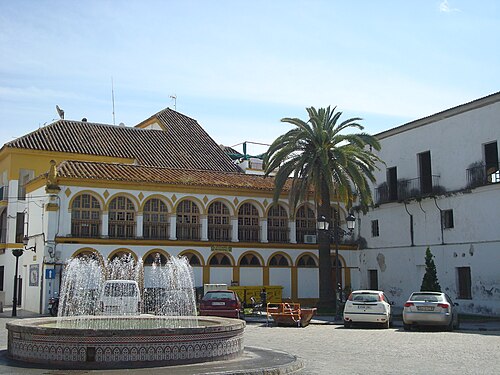
Palma del Río is a picturesque municipality located in the province of Córdoba in southern Spain. Situated along the banks of the River Genil, it is part of the autonomous community of Andalusia. The town has a rich history that dates back to Roman times, with archaeological findings indicating that it was a significant settlement during that era. The region is characterized by its fertile lands, which have supported agriculture for centuries, primarily focused on crops such as olives, cereals, and vegetables. Palma del Río's strategic location has also contributed to its development, making it an important trading hub throughout history.
The architecture in Palma del Río reflects its diverse historical influences, featuring a blend of Moorish, Renaissance, and Baroque styles. Notable landmarks include the Church of San Francisco, an impressive example of Baroque architecture, and the remains of the old castle that once stood as a defensive structure. The town is also famous for its traditional Andalusian charm, featuring narrow streets, whitewashed buildings, and vibrant plaza spaces that host local events and celebrations. Palma del Río is particularly known for its lively local festivals, which include the Feria de Palma, a week-long celebration filled with music, dance, and cultural activities, attracting visitors from across the region.
In addition to its rich cultural heritage, Palma del Río boasts a strong sense of community among its residents. The town is home to various local industries, including agriculture, textile manufacturing, and agro-food production. Traditional crafts such as pottery and leatherwork continue to thrive, making Palma del Río an attractive destination for those interested in Andalusian culture. The surrounding natural landscape offers opportunities for outdoor activities, with hiking and cycling paths along the scenic riverbanks and nearby hills. Overall, Palma del Río is a charming destination that encapsulates the essence of Andalusian life, combining history, culture, and a warm sense of community.
Facts about Palma del Río
- Palma del Río is known for its rich agricultural history, particularly in the cultivation of olives and citrus fruits, which sets it apart in the agricultural landscape of Spain.
- The town's historic center features a unique blend of Mudéjar architecture, which is reflective of the multi-cultural influences during the Reconquista period.
- Palma del Río has a significant historical legacy as it was once a strategic point during the Roman and Moorish periods, which distinguished it in the region of Córdoba.
- Every year, Palma del Río hosts the 'Feria de las Olivas,' celebrating its local agricultural produce, particularly olives, which is a unique event that emphasizes its local culture.
- The town is home to the Church of Our Lady of the Incarnation, a notable example of 18th-century Baroque architecture that attracts visitors for its intricate design.
- Palma del Río has a unique festival known as 'Las Carretas,' where locals illuminate their roads with decorated carts, a tradition that is particularly celebrated during festive seasons.
- The city is distinctive for its position along the Guadalquivir River, which has historically contributed to its trade and agriculture, enhancing its economy compared to surrounding towns.
- A lesser-known fact is that Palma del Río was the birthplace of the notable Spanish painter Antonio López García, which adds to its cultural significance.
- Palma del Río's local cuisine is characterized by unique dishes made from seasonal produce, differentiating it from other Andalusian towns, known primarily for their tapas.
- The town participates in the annual Cordoba Horse Festival, showcasing its equestrian culture and skills, a feature that sets it apart from many other cities in Spain.