Palma, Spain
- 409,661 people
- 14 places to visit
- 39.5696, 2.6502
Places to Visit (14)
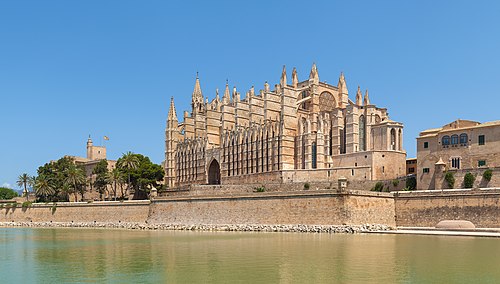
Palma, the capital of the Balearic Islands, is situated on the southwestern coast of the island of Mallorca in Spain. With a population of approximately 400,000 residents, it stands as a vibrant cultural and economic hub of the archipelago. Known for its stunning Mediterranean climate, Palma boasts warm summers and mild winters, attracting millions of tourists each year. The city’s rich history is reflected in its architecture, with landmarks such as the magnificent La Seu Cathedral, a Gothic masterpiece that dates back to the 13th century. The historic old town, filled with narrow cobblestone streets and charming plazas, is home to various boutique shops, cafes, and bars, offering both locals and visitors a taste of the island’s vibrant life.
In addition to its historical allure, Palma is also a modern city that offers a variety of amenities and services. The urban landscape features a mix of contemporary buildings and traditional Spanish architecture, contributing to its unique charm. Transport options are well-developed, with the Palma de Mallorca Airport serving as a major gateway for international travelers. The city's economy is heavily reliant on tourism, but it also benefits from sectors such as commerce and services. Palma hosts several cultural events throughout the year, including music festivals, art exhibitions, and gastronomy fairs, celebrating Mallorcan traditions and international influences. With beautiful beaches lining the coastline and the picturesque Serra de Tramuntana mountains nearby, Palma not only provides a historical perspective but also opportunities for outdoor activities, making it a diverse destination for residents and visitors alike.
Facts about Palma
- Palma is the capital city of the Balearic Islands, showcasing a unique Mediterranean culture distinct from mainland Spain.
- It is home to La Seu, a stunning Gothic cathedral dating back to the 13th century, which features the world's largest gothic rose window.
- Palma's Old Town is famous for its narrow winding streets, medieval architecture, and the well-preserved Almudaina Palace, an important historical site.
- The city is known for its vibrant food scene, particularly its local dishes such as 'sobrasada' and 'ensaimada', both traditional Mallorca specialties.
- Palma hosts the annual Mallorca International Boat Show, one of the largest events of its kind in Europe, reflecting its maritime heritage.
- The city's picturesque coastline is dotted with beautiful beaches, which are less touristy compared to other Spanish coastal cities.
- Palma has a thriving arts scene, home to numerous art galleries, museums, and cultural events, including the famous Palma de Mallorca Film Festival.
- The city features a unique blend of Islamic and Christian influences visible in its architecture, thanks to its historical significance during the Moorish period.
- Palma is a major hub for cycling tourism, often attracting cycling enthusiasts from around Europe for its scenic routes and mild climate.
- The city's vibrant nightlife is characterized by numerous bars and clubs, particularly in the Santa Catalina neighborhood, making it a popular destination for both locals and tourists.