Palmira, Colombia
- 312,519 people
- 2 places to visit
- 3.5379, -76.2972
Places to Visit (2)
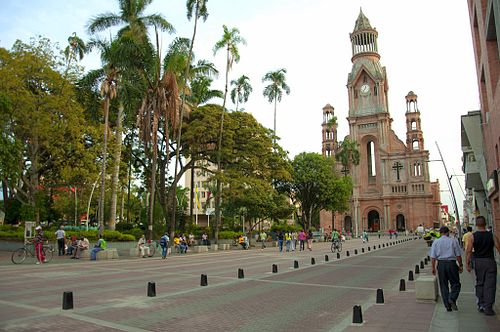
Palmira is a city located in the Valle del Cauca department of Colombia, approximately 15 kilometers (9 miles) east of the city of Cali. Known as "The Land of the Most Beautiful Women," Palmira is the second-largest municipality in the department and serves as an essential economic and cultural hub in the region. The city was founded on August 12, 1819, by José María de la Cruz. Its strategic location, positioned between the Andes mountain range and the Cauca River, has made Palmira a vital point for agriculture and trade, particularly in sugar cane, coffee, and a variety of fruits and vegetables.
The city's economy is largely driven by agriculture and manufacturing, with a significant presence of sugar mills, which are integral to the local economy. Palmira is home to several educational institutions, including universities and technical colleges, which contribute to the education and professional development of the region's population. This focus on education has fostered a diverse community with a mix of cultural influences, evident in local festivals, gastronomy, and traditions. The annual Feria de Palmira, held in January, is a major cultural event that showcases the city's vibrant music, dance, and culinary traditions, attracting visitors from across the country.
Palmira has a tropical savanna climate, characterized by a distinct wet and dry season, making it suitable for agriculture. The city's infrastructure includes several parks, recreational areas, and historical landmarks that reflect its rich cultural heritage. Notable sites include the beautiful main square, or Plaza de la Libertad, and the Church of San Miguel, which features stunning architectural elements. With its blend of economic vitality, educational institutions, and cultural richness, Palmira continues to play a significant role in the socio-economic landscape of Colombia.
Facts about Palmira
- Palmira is known as the 'Agricultural Capital of Colombia' due to its rich agricultural production, especially sugarcane and coffee.
- The city hosts the annual 'Feria de la Caña' (Sugarcane Fair), celebrating its agricultural heritage and the significance of sugarcane in the region's economy.
- Palmira has a unique geographical location, situated at the intersection of important transport routes that link the Valle del Cauca department to other regions of Colombia.
- The 'Central Park' in Palmira is notable for its picturesque landscape and serves as a cultural hub for various events and gatherings in the city.
- Its architectural highlights include the 18th-century 'Iglesia de Nuestra Señora de la Asunción,' which showcases colonial-style architecture.
- Palmira is notable for its proximity to the city of Cali, making it part of the Valle del Cauca metropolitan area, known for its dynamic culture and salsa music.
- The city has a rich history linked to the Valle del Cauca area, having played a significant role in the production of sugar and other agricultural exports during the 19th century.
- Palmira is home to the University of San Buenaventura, which contributes to the city's reputation as an educational center in the region.
- In recent years, Palmira has been developing its tourism sector, promoting eco-tourism and cultural experiences related to its agricultural roots.
- The city celebrates a variety of cultural festivals throughout the year, showcasing local music, dance, and culinary traditions unique to the Valle del Cauca.