Palu, Indonesia
- 373,218 people
- 13 places to visit
- -0.8679, 119.9047
Places to Visit (13)
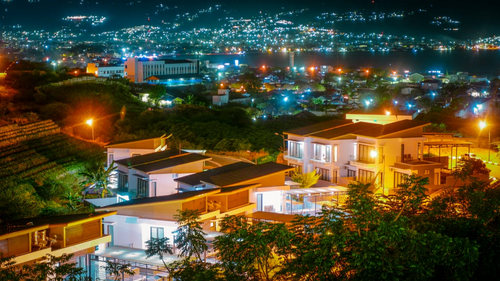
Palu is the capital city of the Central Sulawesi province in Indonesia, situated on the western part of the island of Sulawesi. The city lies along the banks of the Palu River and is flanked by the mountains of the western arm of Sulawesi, providing a striking landscape. Palu has a population of approximately 350,000 people, making it one of the prominent urban centers in the region. Historically, the area has been important for trade due to its strategic location, and it has experienced significant cultural influences from various groups, including the indigenous people and immigrants from other parts of Indonesia.
Palu faces various challenges, notably due to its vulnerability to natural disasters. The city was severely affected by a devastating earthquake and tsunami on September 28, 2018, which resulted in substantial loss of life, destruction of infrastructure, and displacement of thousands of residents. The catastrophic event showcased the region's susceptibility to seismic activity as it is located on the Pacific Ring of Fire. In the aftermath, recovery efforts have been ongoing, with the Indonesian government and international organizations working to rebuild urban infrastructure, provide humanitarian assistance, and improve disaster resilience in the area. Despite these challenges, Palu has been working towards revitalization and development, particularly in tourism, agriculture, and fisheries, with potential attractions including its nearby beaches, cultural sites, and national parks.
Palu is also known for its diverse cultural heritage, with a mix of traditions from various ethnic groups, including the Kaili, and the influences from Islam, which is the predominant religion in the region. Local cuisine reflects this diversity, with dishes utilizing fresh seafood, rice, and local fruits. The city is characterized by its unique festivals, including the Tambu Bulu, highlighting its rich traditions and communal values. Overall, Palu embodies the resilience of its people amid adversity and is a city with significant potential for growth and development in Indonesia.
Facts about Palu
- Palu is located at the confluence of Palu Bay and the Palu River, which creates a unique geographical feature in Indonesia.
- In 2018, Palu experienced a devastating earthquake and tsunami, measuring 7.5 on the Richter scale, which caused significant destruction and loss of life.
- The city is known for the annual Palu International Folk Festival, which celebrates cultural diversity and features traditional dances, music, and crafts from around the world.
- Palu is home to the Shell Museum, which houses a vast collection of shells and marine life, making it a unique educational destination in Indonesia.
- The City of Palu has a rich history as a center for trade and commerce, being an important point for the spice trade during the colonial era.
- Learn to dive at the Tanjung Karang Dive Site, which is famous for its vibrant coral reefs and diverse marine species, distinguishing it as a diving hotspot in eastern Indonesia.
- Palu has a skyline featuring distinctive landmarks, such as the 32-meter-tall Masjid Agung Adzhikra mosque, known for its unique architectural style.
- The Palu River is notable for its blue color and the presence of traditional wooden boats, which are used by local fishermen, adding to the city's charm.
- The city has a local delicacy called 'Kaledo', a hearty beef soup that showcases the culinary traditions of Central Sulawesi.
- Palu's annual festivals often feature the local tradition of 'Bau Nyale' or 'catching of the sea worms', signifying the area's unique cultural practices.