Palwal, India
- 121,965 people
- 4 places to visit
- 28.1473, 77.326
Places to Visit (4)
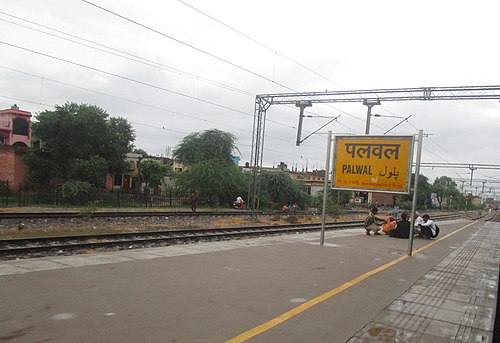
Palwal is a city located in the state of Haryana, India, approximately 50 kilometers south of the national capital, New Delhi. It serves as the administrative headquarters of the Palwal district, which was established in 2008, following its separation from the Faridabad district. The city is well-connected by road and rail, making it an accessible destination for travelers and commuters. The presence of the Delhi-Mumbai Expressway has further enhanced its connectivity, positioning Palwal as an emerging hub for real estate and industrial growth. Its strategic location has attracted several industries, including textiles, manufacturing, and food processing.
Historically, Palwal has a rich cultural heritage. It is believed to be one of the ancient settlements in the region, with references to its significance in Hindu scriptures. The area is dotted with historical sites, including ancient temples and structures that reflect its long-standing cultural traditions. Notable landmarks include the Bhardwaj Ashram and the Shadi Khampur village, famous for its local festivals and traditional fairs. The city is also known for its vibrant local cuisine, which features a variety of traditional North Indian dishes that attract food enthusiasts. With its blend of historical significance and modern development, Palwal represents a unique intersection of tradition and progress.
In recent years, Palwal has seen significant population growth and urbanization, making it an important center for education, healthcare, and commerce in Haryana. The city boasts several educational institutions, including schools and colleges, catering to a diverse population. Efforts to improve infrastructure have been ongoing, with investments in roads, public transport, and utilities aimed at enhancing the quality of life for residents. Despite the rapid changes, Palwal retains its cultural essence, celebrating local traditions and communal harmony while adapting to contemporary urban challenges. The future of Palwal looks promising as it continues to develop economically while preserving its heritage.
Facts about Palwal
- Palwal is known for its historical significance and is said to be the birthplace of the famous Mughal emperor, Akbar's general, Raja Man Singh.
- The city is home to the ancient Shiva temple, known as the 'Shiv Mandir', which dates back several centuries and draws devotees from across the region.
- Palwal has a notable railway junction that serves as an important node in the railway network between Delhi and Agra, making it a key transit point.
- The city is a part of the National Capital Region (NCR), providing it with strategic economic advantages and connectivity to the capital, Delhi.
- Palwal is famous for its traditional handicrafts, particularly in leather goods, which are crafted using age-old techniques and are sought after in markets.
- The region plays a significant role during festivals, particularly during Dussehra, when a large fair is organized, celebrating the victory of good over evil.
- Palwal is rapidly developing as an educational hub, with numerous schools and colleges, including institutions that focus on technical and vocational training.
- The city is surrounded by rich agricultural land and has a strong agrarian economy, contributing significantly to the production of fruits and vegetables in Haryana.
- Palwal is known for the 1857 War Memorial Park, commemorating the uprising against British rule, which reflects the city's historical importance in India's fight for independence.
- The city boasts a unique blend of rural and urban culture, offering a rich tapestry of traditions, festivals, and cuisines influenced by both local and migratory communities.