Pamplona, Spain
- 209,672 people
- 18 places to visit
- 42.8125, -1.6458
Places to Visit (18)
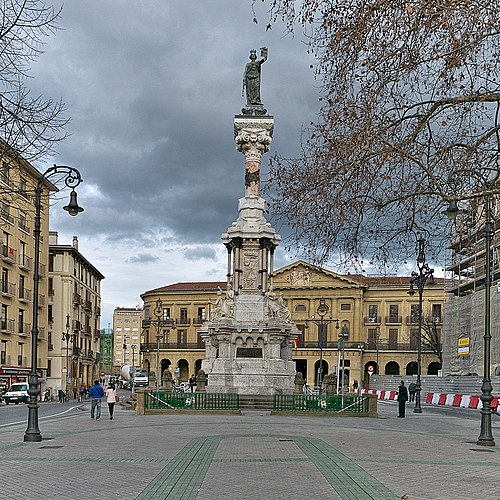
Pamplona, the capital of the Navarre region in northern Spain, is a city renowned for its rich history, vibrant culture, and famous annual festival, San Fermín. Situated at the confluence of several rivers and surrounded by rolling hills, Pamplona has been an important settlement since Roman times when it was founded as Pompaelo in 75 BC. The city's strategic location has made it a significant cultural and economic center throughout the centuries. With a population of approximately 200,000, Pamplona features a blend of medieval and modern architecture, highlighted by landmarks such as the Gothic-style Pamplona Cathedral, the Citadel, and the Plaza del Castillo, which serves as the city's social and cultural hub.
Pamplona is perhaps best known internationally for the Running of the Bulls, a key event in the San Fermín festival held annually from July 6th to 14th. This traditional celebration attracts thousands of visitors from around the world who come to witness the exhilarating bull runs through the city streets, alongside religious ceremonies, concerts, and traditional dancing. The origins of the festival date back to the 16th century, and it has been popularized by literature, most famously in Ernest Hemingway's novel "The Sun Also Rises." In addition to the festival, the city offers a culinary scene rich in Basque and Navarrese cuisine, featuring local specialties like pintxos, a variety of small snacks typically served with drinks. With its unique blend of tradition, gastronomy, and scenic beauty, Pamplona remains a captivating destination for tourists and a beloved home for its residents.
Facts about Pamplona
- Pamplona is famous for the San Fermín festival, which includes the famous running of the bulls, attracting tourists from all over the world every July.
- The city's medieval walls, constructed in the 16th century, are one of the best-preserved examples of military architecture in Spain.
- Pamplona is the capital of the Navarre region, which has a distinct history and autonomy compared to other autonomous communities in Spain.
- The Catedral de Santa María la Real, with its captivating blend of Romanesque and Gothic styles, is a highlight of Pamplona's architectural heritage.
- Pamplona has a unique Basque cultural influence, being located at the crossroads of Basque and Castilian traditions.
- The city hosts the Concurso de Cortadores de Jamón, which celebrates Spain's renowned jamón (ham) and showcases skilled artisans from across the country.
- Pamplona features a vibrant gastronomy scene, known for its pintxos, small tapas-style dishes that reflect a mix of local and Basque cuisine.
- The city is known for Parque de la Taconera, a picturesque park featuring beautiful gardens, walking paths, and a variety of wildlife, including peacocks.
- Pamplona has a rich literary history, being mentioned in Hemingway's 'The Sun Also Rises,' which helped put the city on the map for international tourists.
- The city has a significant historical link to the Camino de Santiago pilgrimage route, attracting pilgrims who travel to Santiago de Compostela.