Panamá, Panama
- 408,168 people
- 10 places to visit
- 8.9936, -79.5197
Places to Visit (10)
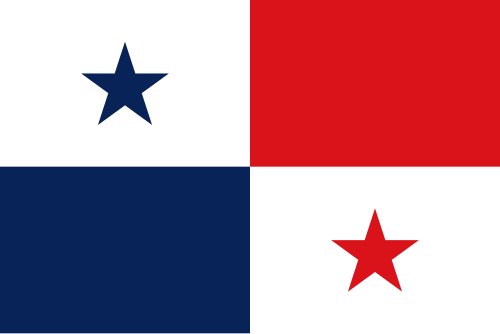
Panamá, the capital city of the Republic of Panamá, is a vibrant metropolis located at the eastern entrance of the Panama Canal, a pivotal maritime route connecting the Atlantic and Pacific Oceans. Rich in history and culture, the city was founded in 1519 by Spanish conquistador Pedro Arias de Ávila and served as a crucial launching point for expeditions to the Incan Empire. Over the centuries, Panamá City has undergone significant development, evolving from a colonial outpost to a bustling urban center. Today, it is a focal point for international commerce, finance, and trade, reflecting a blend of modern skyscrapers and historic architecture. The iconic skyline features landmarks such as the Biomuseo, designed by architect Frank Gehry, and the historic Casco Viejo, a UNESCO World Heritage site showcasing colonial-era buildings, charming plazas, and a vibrant street life.
The economy of Panamá City has been bolstered by the strategic importance of the Panama Canal, which plays a vital role in global shipping and logistics. The city serves as a hub for multinational corporations, banking, and tourism, attracting investors and tourists alike. Panamá is known for its cultural diversity, influenced by its indigenous heritage, colonial past, and a mix of various ethnic groups, including Afro-Panamanians, Spanish, and others. This diversity is evident in its cuisine, music, and festivals, such as the carnival celebrations that draw large crowds every year. Additionally, the city's infrastructure has continued to expand, with modern transportation options, shopping centers, and recreational areas, enhancing the quality of life for its residents.
Panamá's unique geography contributes to its ecological richness, with proximity to both the Pacific and Caribbean coasts. The surrounding natural areas include lush rainforests and wildlife reserves, making it a prime location for eco-tourism. Visitors can explore the nearby Soberanía National Park or the picturesque beaches of Playa Blanca. The combination of urban life and natural beauty makes Panamá a dynamic destination for both business and leisure travelers. With its thriving economy, cultural melting pot, and strategic significance, Panamá City is not only the heart of the country but also a growing player in the global landscape.
Facts about Panamá
- Panamá City is the capital and largest city of Panama, serving as the political, administrative, and cultural hub of the country.
- The Panama Canal, a crucial waterway for global maritime trade, is located just outside Panama City and significantly influences the city's economy and development.
- Panamá City's historic district, Casco Viejo, is a UNESCO World Heritage Site and features colonial architecture, quaint streets, and cultural landmarks dating back to the 17th century.
- The city is known for its impressive skyline, with modern skyscrapers and buildings that showcase a mix of architectural styles, reflecting its rapid urbanization.
- Panamá City hosts the annual Panama Jazz Festival, which attracts musicians and visitors from around the world, highlighting the city's vibrant music scene.
- The city is the only capital city in Central America that is not located on the Pacific coast; its urban center lies at the Pacific entrance of the Panama Canal.
- Panamá City serves as a major banking center in Latin America, often referred to as a 'banking hub' where many international banks operate.
- The city's Amador Causeway connects several islands to the mainland and is a popular recreational area, providing stunning views of the Panama City skyline and the canal.
- Panamá City has a diverse population, with a melting pot of cultures and ethnicities, reflecting its historical role as a trade center between North and South America.
- Metropolitan Natural Park, located within the city limits, is one of the few urban parks in the world that serves as a conservation area, home to diverse flora and fauna.