Panchkula, India
- 200,000 people
- 16 places to visit
- 30.6942, 76.8606
Places to Visit (16)
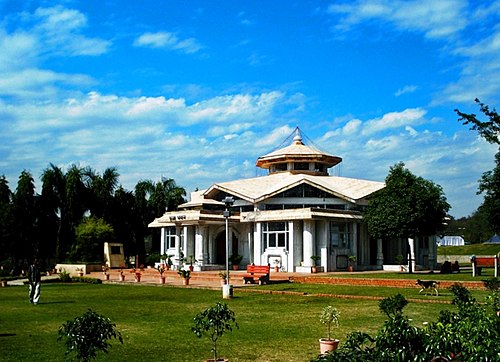
Panchkula is a city located in the northern Indian state of Haryana, adjacent to the union territory of Chandigarh, which serves as a capital for both Haryana and Punjab. The city, which was established in the 1980s as part of a planned urban development, is part of the Chandigarh Tricity area, which also includes Mohali in Punjab. Positioned at the foothills of the Shivalik range, Panchkula covers an area of approximately 105 square kilometers and has evolved into a significant urban center with a mix of residential, commercial, and industrial zones. The city is well-known for its broad avenues, greenery, and modern infrastructure, making it an appealing location for residents and businesses alike.
Panchkula's population, according to the 2011 Census, was around 150,000, and it has witnessed rapid growth since its establishment. The city boasts a diverse demographic, with people from various cultural, linguistic, and religious backgrounds coexisting harmoniously. Important local landmarks include the Panchkula Golf Course, the Cactus Garden, and several parks that contribute to the city's aesthetic and recreational appeal. Panchkula is also home to several educational institutions, healthcare facilities, and shopping centers, enhancing its status as an important urban hub. The city's well-planned layout, combined with good connectivity via road and rail to nearby cities, further contributes to its development as a vital link between Chandigarh and the surrounding regions.
Panchkula also plays a significant role in Haryana's administrative framework, housing several government offices and organizations. The city is known for hosting various cultural and sports events, helping to foster a sense of community and pride among its residents. Additionally, Panchkula is well-connected by the National Highway 5, facilitating easy access to Chandigarh and beyond. As the city continues to develop, it attracts more residents and businesses, reflecting the dynamic urban growth trends seen across India. The blend of modernity and nature in Panchkula, along with its strategic location, makes it a prominent and desirable city in the region.
Facts about Panchkula
- Panchkula is known for its distinct urban planning, as it was developed according to the principles of the 1950s Chandigarh Master Plan, featuring wide roads and green spaces.
- The city serves as a gateway to the picturesque Shivalik Hills, which offers numerous trekking routes and scenic views, making it popular among nature enthusiasts.
- Panchkula is home to the historic Brahma Sarovar, a large water tank which is the site of religious significance and hosts the annual 'Ganga Mahotsav' festival.
- The city is renowned for the Mata Mansa Devi Temple, which attracts thousands of devotees and tourists every year, particularly during the Navratri festival.
- Panchkula has been designated as a Smart City under India's Smart Cities Mission, focusing on sustainable urban development and improved quality of life for its residents.
- The Panchkula region is also known for its numerous sports facilities, including the internationally recognized Tau Devi Lal Sports Complex, which hosts various national and international events.
- It is one of the few cities in India that was meticulously planned to avoid traffic congestion and urban sprawl, resulting in a well-organized residential and commercial layout.
- Panchkula is situated adjacent to Chandigarh, and together they form a part of the Tricity area, alongside Mohali, which is unique in terms of their economic and cultural intertwinement.
- The city has a vibrant community life, hosting various cultural events and festivals, including the Panchkula Winter Carnival, which promotes local arts and crafts.
- Panchkula is also known for its educational institutions, including the National Institute of Technical Teachers Training and Research (NITTTR), which contributes significantly to teacher education in India.