Panevėžys, Lithuania
- 85,885 people
- 14 places to visit
- 55.7348, 24.3575
Places to Visit (14)
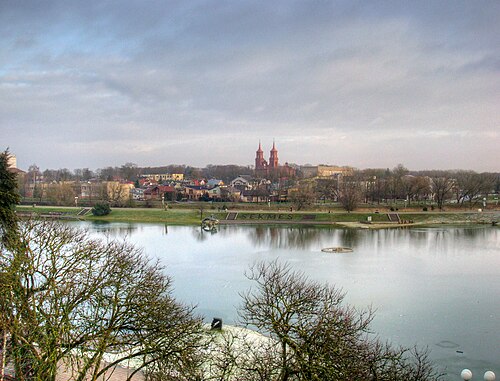
Panevėžys is one of Lithuania's major cities, located in the northeast part of the country along the banks of the Nevėžis River. As the fifth-largest city in Lithuania, it has a rich history that dates back to the 16th century when it was first mentioned in historical records. Over the years, Panevėžys developed into an important industrial center, particularly during the 19th century when it underwent significant economic growth due to its strategic location on trade routes. The city became known for its textile, food processing, and machine-building industries. While it experienced challenges during the Soviet era, Panevėžys has since diversified its economy and embraced modern development.
Culturally, Panevėžys boasts a vibrant arts scene and several points of interest that reflect its heritage and contemporary appeal. The city is home to the Panevėžys Theater, known for its engaging performances and strong community involvement in the arts. Additionally, various museums, including the Panevėžys Civic Art Gallery and the Museum of the Panevėžys County, showcase the region's history, art, and culture. The city's parks and public spaces provide residents and visitors with opportunities for recreation, while the annual Panevėžys Carnival and other local festivals celebrate the city's unique character. Education also plays a vital role in Panevėžys, with several institutions offering diverse learning opportunities, contributing to a well-educated populace that supports the city’s growth.
Panevėžys is characterized by a mix of old and new architecture, with historical buildings such as the St. Peter and Paul Cathedral standing alongside modern structures. The city is well-connected through a network of roads and public transportation, which facilitates accessibility to and from other regions of Lithuania. As the city continues to evolve, Panevėžys remains an essential part of the Lithuanian landscape, representing a blend of cultural heritage, industrial legacy, and modern development. With ongoing investments and initiatives aimed at enhancing its infrastructure and promoting tourism, Panevėžys is poised to maintain its significance as an important urban center in Lithuania.
Facts about Panevėžys
- Panevėžys is known as the 'capital of culture' in Lithuania, hosting numerous cultural events and festivals throughout the year.
- The city is home to the Panevėžys University of Applied Sciences, which is the largest institution of higher education in the region.
- One of Panevėžys's most distinctive landmarks is the Cathedral of St. Peter and St. Paul, which features a unique blend of architectural styles.
- Panevėžys is famous for its long-standing tradition of professional basketball, producing many talented players and teams.
- The city has a rich industrial history and was once a significant center for textiles and engineering, contributing to Lithuania's economic development.
- Panevėžys boasts a unique urban park called Senvagė, known for its picturesque landscapes, sculptures, and walking paths.
- The city is recognized for its modernist architecture, with several buildings reflecting the interwar period's architectural trends.
- Panevėžys hosts the Panevėžys Theater, one of the oldest theaters in Lithuania, enriching the local culture with performances and cultural events.
- The city is also known for its sports facilities, including the renowned Panevėžys Arena, which regularly hosts various sporting events and concerts.
- Panevėžys is strategically located along key transportation routes, making it an important logistical hub within Lithuania.