Pangkalpinang, Indonesia
- 216,893 people
- 10 places to visit
- -2.1316, 106.1169
Places to Visit (10)
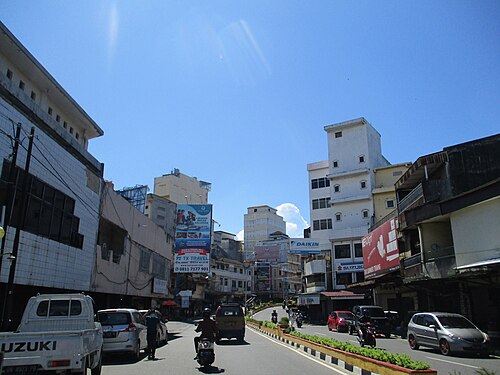
Pangkalpinang is the capital city of the Bangka-Belitung Islands province in Indonesia. Located on the eastern coast of Bangka Island, it serves as the administrative and economic center of the province. With a population of over 200,000 residents, Pangkalpinang is not only the largest city in the province but also a significant hub for trade and commerce in the region. The city’s economy is primarily driven by tin mining, agriculture, and fisheries, reflecting the natural resources and geographic advantages of the region. Pangkalpinang is surrounded by stunning beaches, lush scenery, and a blend of cultural influences, making it an attractive destination for both domestic and international tourists.
Historically, Pangkalpinang has played a crucial role in Indonesia's tin production, with the mineral being one of the country’s key exports. The city was established as a trading port during the colonial era, and it has since evolved into a vibrant urban center. Significant cultural sites such as the Pasir Padi Beach, the Pangkalpinang Grand Mosque, and the traditional markets showcase the city's unique heritage and community spirit. The local government has also been proactive in promoting tourism through various initiatives, including the development of infrastructure and the facilitation of cultural festivals. Overall, Pangkalpinang presents a blend of economic vitality and cultural richness, making it a notable city in Indonesia’s diverse landscape.
Facts about Pangkalpinang
- Pangkalpinang is the capital city of the Bangka Belitung Islands province, known for its tin mining history and rich mineral resources.
- The city is home to the beautiful Pantai Pasir Padi, a popular beach destination known for its clean white sands and clear waters, setting it apart from many other Indonesian cities.
- Pangkalpinang has a significant Chinese influence, particularly in its culture and cuisine, which is reflected in its numerous temples and festivals.
- The city's name, Pangkalpinang, translates to 'the base of the tin,' highlighting its historical significance in Indonesia’s tin industry.
- Pangkalpinang hosts the annual Pangkalpinang International Kite Festival, attracting kite enthusiasts from around the world, a unique event not commonly found in other regions.
- The city features the iconic Timah Museum, which showcases the history of tin mining in the region, distinguishing it as a historical learning center.
- Pangkalpinang is also known for its local delicacies such as 'Lempah Kuning,' a traditional soup made with fresh fish, which represents the local culinary identity.
- The city has several unique landmarks, including the Al-Hakim Mosque, which features a modern architectural design that stands out among traditional Indonesian mosques.
- Pangkalpinang is strategically located as a trade center due to its proximity to the neighboring islands and is a gateway for travelers heading to the Bangka Belitung Islands.
- The city experiences both a vibrant urban atmosphere and lush nature, including nearby nature reserves, giving visitors a balanced experience of city life and natural beauty.