Pānīpat, India
- 292,808 people
- 6 places to visit
- 29.3909, 76.9635
Places to Visit (6)
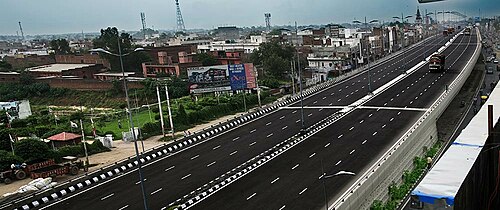
Pānīpat is a city in the Indian state of Haryana, situated approximately 90 kilometers north of Delhi. It is located at the intersection of significant trade routes, making it a historically important center for commerce and cultural exchange. Pānīpat has a rich history that dates back to ancient times, with references in texts such as the Mahabharata. The city is most renowned for being the site of three pivotal battles in Indian history: the First Battle of Pānīpat in 1526, which marked the beginning of Mughal rule in India; the Second Battle of Pānīpat in 1556, which established the Mughal Empire's dominance; and the Third Battle of Pānīpat in 1761, a significant conflict between the Maratha Empire and the Durrani Empire, which had a profound impact on the political landscape of India.
Today, Pānīpat is known as a hub for textiles, particularly carpets and other handloom products, contributing significantly to the local economy. The city is often referred to as the "City of Weavers" due to its extensive textile industry. In addition to its economic activities, Pānīpat is home to several historical monuments and sites that attract tourists and historians alike. Notable landmarks include the graves of important historical figures, such as the tomb of Ibrahim Lodi and the memorial to the heroes of the Third Battle of Pānīpat. The city also celebrates various festivals and cultural events that reflect its diverse heritage. With its blend of historical significance and contemporary industry, Pānīpat continues to play an essential role in the cultural and economic landscape of Haryana and India as a whole.
Facts about Pānīpat
- Pānīpat is known as the 'City of Weavers' due to its rich history in textile production, particularly in producing high-quality handloom fabrics.
- The city was the site of three significant battles, known as the Battles of Pānīpat, which played a pivotal role in shaping Indian history and the power dynamics of the region during the 18th century.
- Pānīpat is home to the Samrat Ashok Memorial, which commemorates the legacy of Emperor Ashoka and his contributions to Indian history, reflecting the city's historical importance.
- The city boasts the tomb of Ibrahim Lodi, the last ruler of the Delhi Sultanate, who was defeated in the First Battle of Pānīpat in 1526, marking the rise of the Mughal Empire.
- Pānīpat hosts the annual Pānīpat International Trade Fair, which attracts businesses and visitors from across the country and pioneers in showcasing local handicrafts and products.
- The Pānīpat railway station is one of the oldest in the Indian Railway network, having been established in the mid-19th century, serving as a vital transportation hub.
- Pānīpat is renowned for its vibrant cultural scene, particularly in traditional music and dance forms, which reflect its rich heritage and local customs.
- The city is home to numerous educational institutions, including the prestigious K.R. Mangalam University, contributing to its reputation as an educational hub in Haryana.
- Pānīpat's cuisine is distinctive, featuring local delicacies such as Pānīpat ke Chole, which is widely appreciated for its unique flavors and cooking styles.
- The city is strategically located along the Delhi-Patiala highway, making it a crucial junction for trade and transportation in North India.