Pánuco, Mexico
- 40,754 people
- 10 places to visit
- 22.0536, -98.1821
Places to Visit (10)
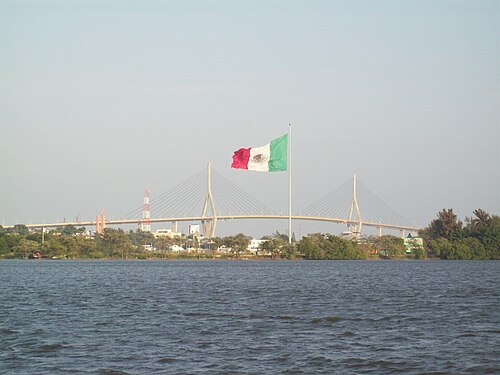
Pánuco is a city located in the northeastern region of Mexico, within the state of Veracruz. It serves as the municipal seat of the Pánuco municipality, which occupies a significant geographical area characterized by diverse landscapes, including rivers, forests, and agricultural land. The city is situated near the Pánuco River, which plays a crucial role in the local economy and culture, providing irrigation for agriculture and serving as a transportation route. The river’s influence is particularly important, as Pánuco is historically recognized as a vital trade hub in this part of Mexico.
With a population of approximately 35,000 residents, Pánuco has a rich historical background that dates back to pre-Hispanic times, when it was inhabited by various indigenous groups, including the Huastec people. Following Spanish colonization, Pánuco became a significant settlement and was integrated into the colonial economy. The city features notable architectural landmarks, such as the Church of San Juan Bautista, which reflects colonial religious architecture, and several 19th-century buildings that showcase the city’s historical evolution. Agriculture plays a major role in the local economy, with sugarcane, maize, and livestock being prominent products. In addition, commerce and small-scale industries are vital for the livelihoods of many residents.
Culturally, Pánuco is distinguished by a variety of traditions, festivals, and gastronomic offerings that reflect its rich heritage. The most prominent celebration is the annual feast of San Juan Bautista, which attracts visitors from surrounding areas and features parades, music, and dance. The city is also known for its culinary specialties, including traditional dishes that highlight local ingredients and indigenous cooking techniques. Overall, Pánuco's blend of history, culture, and economic activities makes it a unique and significant location within the Veracruz region of Mexico, offering insights into both its indigenous and colonial past as well as its ongoing contributions to contemporary Mexican society.
Facts about Pánuco
- Pánuco is known for its rich history, having been founded in the 16th century and established as a critical port for Spanish colonial trade.
- The Pánuco River, which flows through the city, plays a significant role in local agriculture and has been a vital waterway for centuries.
- Pánuco is famous for the annual 'Festival del Huapango,' celebrating traditional huapango music and dance, which is unique to the Huasteca region of Mexico.
- The city is home to the historic 'Parroquia de San Juan Bautista,' a colonial church that showcases beautiful Baroque architecture and intricate design.
- Pánuco has a unique culinary heritage, particularly known for its traditional dishes like 'tacos de carnitas' and 'cazuelas,' which are distinct to the region.
- The local economy has historically been influenced by the production of sugarcane and the presence of sugar mills, a characteristic not found in many other cities.
- Pánuco hosts the 'Día de los Muertos' celebrations with distinctive local customs, incorporating local traditions that differentiate it from other celebrations in Mexico.
- The city is surrounded by lush natural landscapes including tropical forests and is close to the Sierra Madre Oriental mountain range, offering unique ecological diversity.
- Pánuco has been recognized for its unique contributions to Mexican folk art, particularly in pottery and textiles that reflect the area's indigenous heritage.
- The region has historical significance due to archaeological findings, such as those related to the ancient Totonac and Huastec cultures, providing a rich cultural tapestry.