Papantla de Olarte, Mexico
- 53,546 people
- 11 places to visit
- 20.4567, -97.3156
Places to Visit (11)
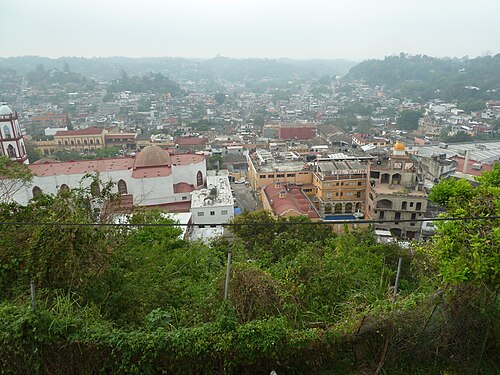
Papantla de Olarte is a municipality located in the northeastern part of the state of Veracruz, Mexico. Nestled in the Totonacapan region, it is renowned for its rich cultural heritage and historical significance. The town is an important center for the Totonac people, an indigenous group known for their contributions to Mesoamerican civilization. The area is most famous for the nearby archaeological site of El Tajín, a UNESCO World Heritage Site, which features impressive pyramid structures and the iconic "Voladores de Papantla" ritual, where performers ascend a tall pole and descend while suspended by ropes. This aerial dance, celebrating fertility and the connection between the earth and sky, reflects the deep cultural roots and traditions still prominent in the community.
In addition to its historical relevance, Papantla is also recognized for its agricultural production, particularly vanilla, which is considered some of the best in the world. The region's climate and fertile soil create ideal conditions for cultivating this crop, and the town has developed a thriving industry around the production of vanilla products. The annual Feria de la Vainilla (Vanilla Festival) celebrates this important agricultural heritage, drawing visitors from across the country and promoting local crafts and gastronomy. Papantla also features beautiful colonial architecture, vibrant local markets, and a unique blend of indigenous and Spanish influences that shape its identity. With its enchanting landscapes, cultural significance, and economic contributions, Papantla de Olarte represents a fascinating intersection of history, tradition, and natural beauty in the heart of Veracruz.
Facts about Papantla de Olarte
- Papantla de Olarte is renowned for its ancient Totonac culture, which is reflected in its vibrant traditions, making it a key cultural site in Mexico.
- The town is famous for the 'Voladores de Papantla,' an ancient ritual involving performers who fly from a tall pole, symbolizing the connection between heaven and earth.
- Papantla is known for its production of vanilla, often referred to as the vanilla capital of the world, and is home to extensive vanilla plantations.
- The archaeological site of El Tajín, located near Papantla, is one of the most significant pre-Columbian sites in Mexico, featuring well-preserved pyramids and a unique architectural style.
- Papantla celebrates the 'Festival Cumbre Tajín,' which honors the Totonac culture, bringing together music, dance, and arts from various regions of Mexico.
- The town features typical colonial architecture, with charming plazas and churches that reflect its historical significance and attract many tourists.
- Papantla's coffee production is also noteworthy, with high-altitude plantations that yield some of the best organic coffee in the region.
- The region has a rich history of cacao cultivation, adding to its reputation as a significant area for agriculture and gastronomy in Mexico.
- The Totonac people, indigenous to the region, have a unique language and are recognized for their contributions to art, music, and craftsmanship.
- Papantla was a key location for the early European colonization efforts in Mexico, contributing to its unique blend of indigenous and colonial heritage.