Parakou, Benin
- 255,478 people
- 5 places to visit
- 9.3467, 2.609
Places to Visit (5)
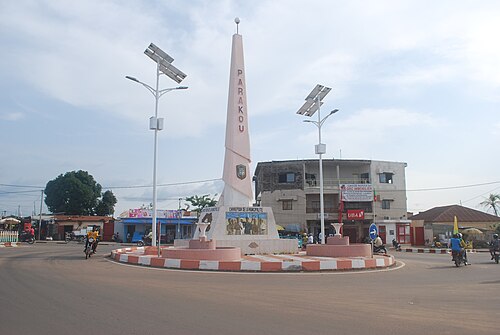
Parakou is a vibrant city located in the central northern region of Benin, serving as the capital of the Borgou Department. It is the second-largest city in the country and a key commercial hub, strategically positioned at the crossroads of major transportation routes. Parakou has a population of approximately 200,000 residents, exhibiting a rich tapestry of ethnic diversity. The predominant ethnic groups include the Bariba, Dendi, and Peul, which contribute to the city's cultural vibrancy. The city plays a significant role in the agricultural economy of Benin, primarily known for trading and producing staple crops such as millet, corn, and cotton.
The city is also home to various historical and cultural landmarks, including the Grand Marché de Parakou, a bustling market where locals sell an array of goods, from textiles to fresh produce. Artisans in Parakou are known for their craftsmanship in leatherworking and pottery, reflecting the rich traditions of the region. Educationally, Parakou houses institutions like the University of Parakou, which attracts students from various parts of the country and beyond. Additionally, the city has witnessed infrastructural developments aimed at improving connectivity and public services, making it a focal point for economic activities in northern Benin. Parakou's dynamic environment and cultural heritage make it an important city in the context of Benin's social and economic landscape.
Facts about Parakou
- Parakou is the second-largest city in Benin, after Cotonou, and serves as a vital transportation hub in the northern part of the country.
- The city is known for its rich cultural heritage, including the annual festival of the 'Fête du Masque,' which showcases traditional masks and dances.
- Parakou is home to several historical landmarks, including the impressive Grande Mosquée de Parakou, a prominent example of Islamic architecture in the region.
- The city is strategically located at the intersection of several major roads, making it a key logistical point for trade and commerce in West Africa.
- Parakou is also known for its vibrant markets, such as the central market, which is one of the largest in northern Benin, offering a wide range of local goods and produce.
- The city has a notable educational institution, the University of Parakou, which attracts students from various parts of the country and beyond.
- Parakou is culturally diverse, with various ethnic groups and languages present, including the Fon, Bariba, and Dendi communities.
- The city plays a significant role in agriculture, serving as a market center for agricultural products produced in the surrounding regions.
- Parakou is known for its music scene, particularly the traditional sounds of ‘Zouglou’ and other genres that reflect the rich cultural tapestry of the area.
- Unlike many other cities in Benin, Parakou has maintained a strong sense of community and cultural identity, reflected in its local traditions and festivals.