Paraná, Argentina
- 247,139 people
- 18 places to visit
- -31.7413, -60.5115
Places to Visit (18)
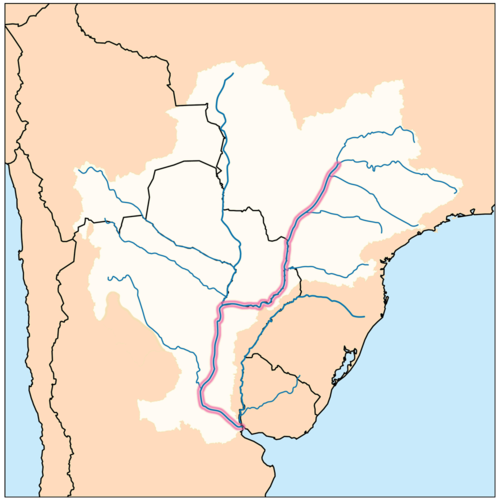
Paraná is the capital city of the province of Entre Ríos in northeastern Argentina, located on the western bank of the Paraná River, opposite the city of Santa Fe. With a population of approximately 250,000 residents, it serves as an economic, cultural, and educational center in the region. The city's strategic location along the river has historically made it a crucial transport and commercial hub. Paraná's economy is primarily driven by agriculture, with a focus on crops such as soybeans, corn, and rice, along with livestock farming. Additionally, its proximity to the river facilitates trade and transportation, contributing to its economic development.
Paraná is notable for its rich architectural heritage, which includes a variety of neoclassical and modernist buildings, many of which date back to the late 19th and early 20th centuries. Key sites include the Cathedral of Paraná, an impressive structure that reflects the city's historical significance, and the Palacio Municipal, which houses local government offices and showcases beautiful architectural design. Cultural life in Paraná is vibrant, with numerous museums, theaters, and cultural events that celebrate the region's history and diverse influences. The city also boasts educational institutions like the National University of Entre Ríos, which attracts students from across the country. Additionally, Paraná’s natural environment is characterized by the lush greenery along the riverbanks and parks that offer recreational opportunities for residents and visitors alike. The balance of urban development and natural beauty contributes to Paraná's appeal as a significant Argentine city.
Facts about Paraná
- Paraná is the capital city of the Entre Ríos Province, situated along the banks of the Paraná River, which is one of the longest rivers in the world.
- The city was officially founded on December 23, 1833, and was previously known as 'La Nueva Paraná' before adopting its current name.
- Paraná is renowned for its unique architecture, which features a blend of colonial and modern styles, including the iconic neo-Gothic Cathedral of Paraná, completed in 1916.
- The city plays a significant role in Argentine history as it served as a strategic military point during the War of the Triple Alliance (1864-1870), involving Argentina, Brazil, and Paraguay.
- Paraná is home to the National University of Entre Ríos (UNER), one of Argentina's notable public universities, established in 1974, contributing to education and research in the region.
- The annual Carnaval de Paraná is one of the largest and most vibrant carnival celebrations in Argentina, attracting thousands of visitors and showcasing colorful parades and local culture.
- Paraná's Parque Urquiza is a popular recreation area that offers stunning views of the Paraná River and is a key location for outdoor activities and community events.
- The city is known for its rich cultural life, hosting various festivals, including the Parral Festival, which celebrates local food, music, and folklore.
- Paraná features the historic Palacio de Gobierno, which is an important landmark showcasing the political history of Entre Ríos Province and is open to the public for tours.
- The nearby Salto de Témpano is a notable natural attraction, recognized as one of the beautiful waterfalls in the region, emphasizing Paraná's connection to both urban and natural environments.