Paranaguá, Brazil
- 141,013 people
- 10 places to visit
- -25.5152, -48.5224
Places to Visit (10)
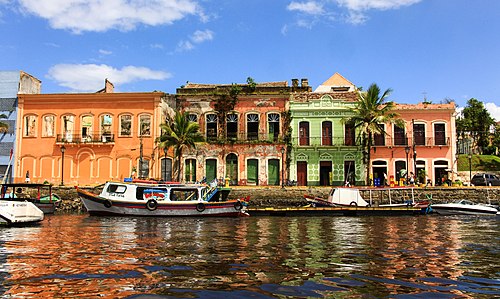
Paranaguá is a historic city located in the state of Paraná, Brazil, situated on the south-eastern coast of the country. Founded in 1648, it is one of the oldest cities in Brazil and serves as a vital port city for the region. The city is located approximately 70 kilometers (about 43 miles) south of the state capital, Curitiba, and is nestled between the Serra do Mar mountain range and the Atlantic Ocean. Its strategic coastal position has long made it an important hub for trade and commerce, particularly during Brazil's colonial period. The Port of Paranaguá, one of the oldest in Brazil, has played a crucial role in the export of agricultural products, such as soybeans, corn, and sugar, contributing significantly to the local and national economy.
Paranaguá is also known for its rich cultural heritage and well-preserved colonial architecture. The city features a number of historic buildings, including churches, homes, and public buildings that date back to the 17th and 18th centuries. Notable sites include the Igreja de Nossa Senhora do Rosário, a Baroque-style church, and the Mercado Municipal, where local produce and handicrafts can be found. The city's historic center, recognized as a national heritage site, reflects its colonial past and attracts visitors interested in history and architecture. Additionally, Paranaguá celebrates various cultural events and festivals throughout the year, highlighting its diverse cultural influences stemming from Portuguese, Indigenous, and Afro-Brazilian heritages.
The natural surroundings of Paranaguá enhance its appeal, with access to protected areas such as the Ilha do Cardoso State Park and the surrounding Atlantic Forest, which provide opportunities for ecotourism, hiking, and wildlife observation. The city is also a gateway to the beautiful nearby islands and beaches, making it a popular destination for tourists seeking both cultural experiences and natural beauty. The combination of its historical significance, vibrant port economy, and scenic landscapes make Paranaguá a unique locale within Brazil, embodying the rich tapestry of the country's colonial history and contemporary cultural dynamics.
Facts about Paranaguá
- Paranaguá is one of the oldest cities in Brazil, founded in 1531, and played a significant role in the country’s colonial history.
- It is home to the Port of Paranaguá, which is one of the most important and busiest ports in Brazil, crucial for the export of agricultural products like soy and corn.
- The city boasts the historic Igreja de Nossa Senhora do Rosário, a church constructed in the 18th century that exemplifies Baroque architecture in Brazil.
- Paranaguá was a key location during the discovery of the Brazilian coastline and was the first port of entry for many European explorers.
- The city hosts the annual Festa do Divino, a traditional festival that celebrates the Holy Spirit, reflecting the city’s rich cultural and religious heritage.
- Paranaguá's historic center features well-preserved colonial buildings, including the Casa da Farinha, which is an important heritage site.
- The city has a unique ecosystem, located near the Atlantic Forest and the Ilha do Cardoso, making it a prime location for biodiversity and eco-tourism.
- Paranaguá was also a key site for the importation of African slaves during the colonial period, significantly influencing the cultural makeup of the region.
- The city has a significant historical connection to the coffee trade, being one of the first ports to export coffee beans from Brazil.
- Paranaguá is surrounded by beautiful natural landscapes, including the picturesque Baía de Paranaguá, which is recognized for its stunning views and biodiversity.