Parbhani, India
- 289,629 people
- 5 places to visit
- 19.2608, 76.7748
Places to Visit (5)
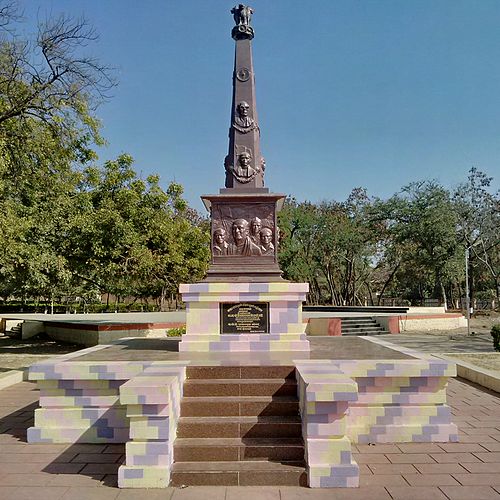
Parbhani is a city located in the central part of Maharashtra, India, and serves as the administrative headquarters of the Parbhani district. Established in ancient times, the city’s historical significance dates back to the 12th century, when it was known as "Prabhavatinagar." It has a rich cultural heritage influenced by various dynasties, including the Yadavas, Mughals, and Marathas. Parbhani is strategically connected to major cities like Aurangabad, Nanded, and Jalna, making it an important hub in the region. The city is primarily an agricultural center, with a significant portion of its economy relying on farming, particularly the cultivation of crops such as cotton, jowar, and oilseeds.
The diverse demographics of Parbhani are reflected in its vibrant local culture, characterized by a mix of festivals, traditions, and languages. Marathi is the dominant language, but Hindi and Urdu are also widely spoken, underscoring the city's multicultural fabric. Festivals such as Ganesh Chaturthi, Diwali, and Eid are celebrated with great enthusiasm, drawing participation from various communities. Moreover, Parbhani is known for its historic sites, including the ancient Jain temple at Gadh Mandir and the renowned Shri Tandra Ganesha Temple, attracting pilgrims and tourists alike. The city is also home to educational institutions, healthcare facilities, and markets that cater to the needs of its residents.
In recent years, Parbhani has witnessed infrastructural development and urbanization, reflected in improved road networks and the establishment of local industries. The city’s local governance focuses on enhancing public services and amenities to improve the quality of life for its residents. Additionally, the agricultural sector has benefited from modern techniques and government initiatives aimed at promoting sustainable farming practices. As Parbhani continues to evolve, balancing its historical significance with modern development remains a key challenge, shaping its identity in the broader context of India’s growth and progress.
Facts about Parbhani
- Parbhani is known for its rich historical significance, particularly its association with the medieval Deccan Sultanates and Maratha Empire.
- The city features the famous 'Parbhani Fort', an important historical site that reflects the architectural style of the region.
- Parbhani is home to the revered Shri Jyotirlinga of Aundha Nagnath, making it a significant pilgrimage site for devotees of Lord Shiva.
- The city celebrates the vibrant 'Parbhani Sawaari', an annual festival that showcases local culture through music, dance, and traditional cuisine.
- Parbhani is distinguished by its agricultural contributions, particularly in the production of oranges, pomegranates and various grains.
- The city has a unique blend of cultures, with influences from Maratha, Muslim, and Jain communities, which is reflected in its festivals and architecture.
- Parbhani's location makes it a pivotal transportation hub in Maharashtra, connecting various districts and regions, enhancing trade and commerce.
- The city houses the 'Vishnu Mandir', which is known for its intricate carvings and historical value, attracting tourists and heritage enthusiasts.
- Parbhani is the birthplace of notable personalities, including the acclaimed Marathi poet and playwright, Vijay Tendulkar, contributing to its cultural legacy.
- The Parbhani district has a unique rural heritage, with distinct tribal communities and traditional crafts, preserving centuries-old practices.