Parkland WA, United States
- 35,803 people
- 8 places to visit
- 47.1554, -122.434
Places to Visit (8)
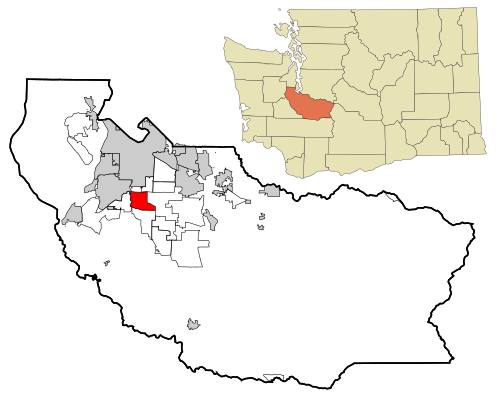
Parkland, Washington, is a suburban community located within Pierce County, situated just south of Tacoma. Established as a significant settlement in the late 19th century, Parkland has evolved from its origins as a logging and railroad town to a thriving residential area. The city is known for its picturesque landscapes, with easy access to parks and natural reserves, including the nearby Mount Rainier National Park, which draws outdoor enthusiasts seeking hiking, camping, and stunning views. With a mix of residential neighborhoods and local businesses, Parkland has developed a friendly atmosphere that attracts families and young professionals alike.
Parkland is also home to several educational institutions, most notably the Pacific Lutheran University, which contributes to the city's vibrant cultural scene and community engagement. This university is known for its liberal arts education and diverse programs, significantly impacting the local population. The city’s economy is bolstered by a mix of retail, services, and educational sectors, providing residents with ample employment opportunities. Parkland's commitment to education and community development is further demonstrated by its array of public schools, which are part of the Bethel School District, known for their solid performance and community focus. Overall, Parkland, with its combination of natural beauty, educational opportunities, and a strong sense of community, represents a desirable place to live within Washington State.
Facts about Parkland
- Parkland was officially incorporated as a city in 1994, making it one of the newer cities in Washington State.
- The city is home to Pacific Lutheran University, which was founded in 1890 and is known for its strong commitment to academic excellence and community engagement.
- Parkland has a significant commitment to parks and green spaces, with over 200 acres of park land, including the scenic Fort Steilacoom Park, which is one of the largest parks in Pierce County.
- The city hosts the annual Parkland Lighted Christmas Parade, a festive event that has become a cherished community tradition, attracting families and participants from the surrounding areas.
- Parkland is situated near the historic Fort Steilacoom, which was established in 1849 and played a vital role during the settlement of Washington Territory.
- The city is located just south of Tacoma and is part of the larger Seattle metropolitan area, offering a suburban environment with close proximity to urban amenities.
- Parkland has a rich multicultural community, which contributes to a variety of local cultural events and festivals throughout the year.
- The city has been recognized for its efforts in community programs aimed at enhancing education and fostering neighborhood connectivity.
- Parkland is known for its scenic views of Mount Rainier, which provides a stunning backdrop for outdoor activities and residential living.
- The city promotes eco-friendly initiatives, making strides in sustainability practices within city planning and community programs.