Parnaíba, Brazil
- 138,008 people
- 6 places to visit
- -2.9096, -41.7537
Places to Visit (6)
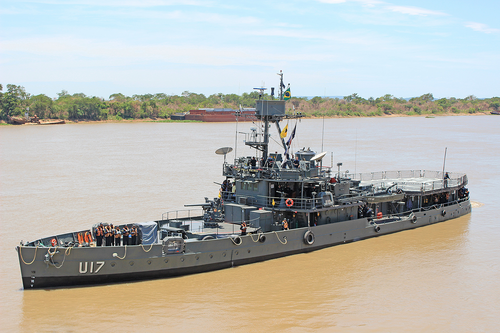
Parnaíba is a city located in northeastern Brazil and serves as the capital of the state of Piauí. Situated on the banks of the Parnaíba River, the city is strategically positioned near the Atlantic Ocean, approximately 350 kilometers away. Established in 1761, Parnaíba has a rich history influenced by indigenous cultures and Portuguese colonization. Today, it is the second-largest municipality in Piauí, with a population of around 150,000 inhabitants. The city is characterized by its tropical climate, featuring warm temperatures year-round, which attracts visitors and supports local agriculture, particularly rice and coconut production.
Parnaíba is known for its cultural heritage and historical architecture, with several colonial-era buildings still standing. Among its notable landmarks is the Igreja de Nossa Senhora da Graça, a church dating back to the 19th century, which reflects the architectural style of that era. The city also serves as an economic hub for the region, supported by agriculture, commerce, and fishing industries. Additionally, Parnaíba is a gateway to the stunning Lençóis Maranhenses National Park and the Delta do Parnaíba, the world's only delta formed by the union of river and ocean, which attracts eco-tourists and nature enthusiasts alike. The vibrant local culture is celebrated through numerous festivals, reflecting the diverse traditions of the region. Thus, Parnaíba embodies a blend of natural beauty, rich history, and cultural significance, making it an important city in Brazil's northeastern landscape.
Facts about Parnaíba
- Parnaíba is known for its unique coastal culture, being one of the few cities in Brazil where the Delta do Parnaíba, the only delta in the Americas, can be found.
- The city was founded in 1852 and has a rich historical heritage, featuring well-preserved colonial architecture that reflects its significance during Brazil's early trade history.
- Parnaíba hosts the annual Festival do Delta do Parnaíba, celebrating the local culture, biodiversity, and the economic importance of the delta, attracting tourism and showcasing local arts.
- The city is home to the historic São Sebastião Church, an important symbol of Parnaíba's religious heritage, dating back to the 18th century.
- Parnaíba is one of the main gateways to the Lençóis Maranhenses National Park, renowned for its stunning white sand dunes and freshwater lagoons, making it a popular destination for eco-tourism.
- The Parnaíba River, which runs through the city, is one of the largest rivers in Brazil and plays a crucial role in the local economy, including fishing and agriculture.
- Parnaíba is notable for its vibrant cultural scene, with a variety of festivals that showcase local music, dance, and culinary traditions unique to the Piauí state.
- The city is strategically located at the intersection of the states of Piauí and Maranhão, facilitating trade and cultural exchanges between Northern and Northeastern Brazil.
- The local cuisine is heavily influenced by both Indigenous and Afro-Brazilian traditions, with dishes like 'carne de sol' and 'tapioca' being local favorites, setting Parnaíba apart in gastronomy.
- Parnaíba's unique geography allows for a diverse ecological environment, leading to rich biodiversity, including endemic species unique to the delta region.