Parnamirim, Brazil
- 267,036 people
- 11 places to visit
- -5.9243, -35.2664
Places to Visit (11)
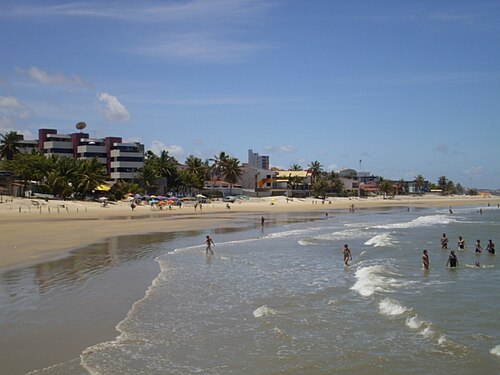
Parnamirim is a city located in the state of Rio Grande do Norte, Brazil, approximately 15 kilometers southwest of the state capital, Natal. With a population of around 270,000 residents, Parnamirim is an integral part of the Natal Metropolitan Region. The city covers an area of approximately 56 square kilometers and is characterized by its diverse cultural heritage and growing urban landscape. Originally settled by the Portuguese in the 17th century, Parnamirim has evolved from a small agricultural community to an important urban center, known for its residential neighborhoods, commercial districts, and various social services.
Parnamirim is notable for its historical significance, particularly in relation to World War II, when it was a key site for the construction of military bases due to its strategic location. The city is home to the famous "Rampa," which was a significant military airstrip used by the United States Army Air Forces during the war. Additionally, Parnamirim boasts several cultural attractions, including the Parque das Dunas, which features stunning dunes typical of the region and serves as an ecological reserve. The city's economy is diverse, encompassing sectors such as services, commerce, and industry, with a growing emphasis on tourism, especially considering its proximity to the scenic beaches of Natal.
The municipality also plays a vital role in education and technology, hosting various educational institutions and technical schools that serve the local population. Parnamirim's infrastructure has seen improvements over the years, with ongoing development projects aimed at enhancing transportation, healthcare, and public amenities. The city's cultural calendar highlights festivals celebrating folklore, music, and gastronomy, which reflect the vibrant traditions of the region. In summary, Parnamirim is a dynamic city that not only complements the vibrant life of Natal but also stands out for its historical roots, cultural richness, and economic potential.
Facts about Parnamirim
- Parnamirim is known for its proximity to the Natal Air Force Base, making it a significant military location in Brazil.
- The city is home to the famous Parque das Dunas, one of the largest urban parks in Brazil, which offers stunning natural landscapes.
- Parnamirim celebrates the annual Festa de São Sebastião, a cultural event that attracts visitors and showcases local traditions.
- It is recognized for the Parnamirim Cultural Center, which serves as a hub for arts, music, and community events.
- Parnamirim was the first city in Brazil to implement a 'Municipal Education System' in 2009, setting standards for educational reform.
- The city features the historic site of the Temple of the Cultura do Couro, reflecting its significance in the leather industry historically.
- Parnamirim is noted for the giant artificial lagoon, Lagoa de Parnamirim, which is used for recreational activities and eco-tourism.
- It is also famous for being the gateway to the beautiful beaches of the nearby coastal city of Natal, offering unique access to both urban and natural attractions.
- Parnamirim has a growing reputation in sports, particularly in basketball and volleyball, with several local teams competing at high levels.
- The city utilizes renewable energy sources, particularly wind energy, contributing to Brazil's commitment to sustainable practices.