Pasay, Philippines
- 416,522 people
- 15 places to visit
- 14.5377, 121.0008
Places to Visit (15)
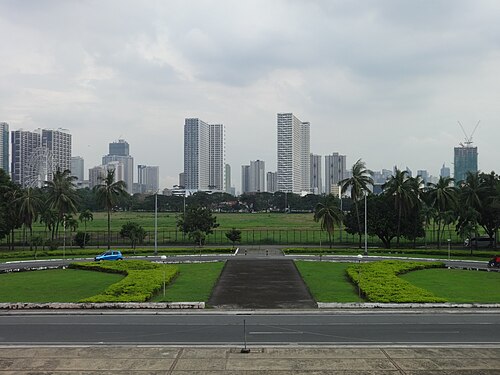
Pasay is a highly urbanized city located in the National Capital Region of the Philippines, situated just south of Manila. Known for its vibrant atmosphere and significant commercial activities, Pasay plays a crucial role in the economic landscape of Metro Manila. The city is home to several important landmarks, including the Ninoy Aquino International Airport (NAIA), the country's main international gateway, facilitating millions of travelers each year. Moreover, Pasay is renowned for its entertainment hubs, such as the SM Mall of Asia, one of the largest shopping centers in the Philippines and a prominent venue for leisure, dining, and events. It also boasts several hotels and resorts that cater to both local and international tourists, contributing to its reputation as a bustling tourist destination.
Historically, Pasay began as a small coastal town during the Spanish colonial period, gradually evolving into a city with its official charter established in 1901. The city features a mix of residential, commercial, and industrial areas, reflecting its urban character and dense population. As of the 2020 census, it has a population of approximately 400,000 residents. Rich in cultural heritage, Pasay hosts various festivals and events, such as the Pasay Pintah Festival, celebrating local arts and culture. Additionally, it is strategically located, providing easy access to surrounding areas of Metro Manila through a network of major roads and public transport options, including the Light Rail Transit System. This connectivity enhances Pasay's appeal as a center for commerce, transportation, and tourism within the thriving metropolis of Manila.
Facts about Pasay
- Pasay City is home to the Cultural Center of the Philippines (CCP), which serves as a hub for the country's arts and culture.
- It is known for the SM Mall of Asia, one of the largest shopping malls in the world and a popular tourist destination.
- Pasay has a significant historical background, being one of the first municipalities in Metro Manila to be granted city status in 1979.
- The city boasts the Philippines' largest convention center, the SMX Convention Center, hosting numerous national and international events.
- Pasay is famous for its vibrant night market scene, especially the food stalls that reflect diverse Filipino culinary traditions.
- The historic Manila Hotel, a symbol of Philippine luxury and hospitality, is located within Pasay City.
- Pasay is strategically located near the Ninoy Aquino International Airport (NAIA), making it a primary gateway for international travelers.
- The city has a thriving entertainment district, with numerous casinos and nightlife venues along Roxas Boulevard.
- In terms of transportation, Pasay has several bus terminals that connect to various provinces, making it a transport hub in Metro Manila.
- Pasay is also known for its annual events such as the Pasay City Fiesta, which showcases local culture and heritage.