Paşcani, Romania
- 45,000 people
- 9 places to visit
- 47.2411, 26.7234
Places to Visit (9)
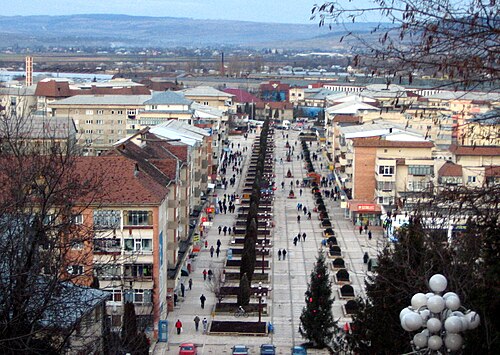
Paşcani is a city located in the northeastern part of Romania, within the Suceava County, and serves as an important administrative and economic center in the region. It lies on the Siret River, making it strategically situated along major transport routes. With a population of approximately 14,000 inhabitants, Paşcani has a vibrant community reflective of the diverse cultural history of Romania. The city was first mentioned in historical records in the late 14th century, but it developed significantly in the 19th century after the construction of the railway that connected it to major cities, fostering trade and migration.
The economy of Paşcani has traditionally been based on agriculture, but it has also diversified over time. The city hosts various industries, including manufacturing, construction, and furniture production, taking advantage of the natural resources and skilled labor in the area. Paşcani is home to several educational institutions, contributing to the local workforce and enhancing the city's appeal as a residential option for families. The region surrounding the city features natural beauty, with the Siret River and the nearby hills providing opportunities for outdoor activities such as hiking and fishing.
Culturally, Paşcani reflects a rich tapestry of Romanian traditions, influenced by its historical ties with various regions and peoples over the centuries. The city hosts numerous festivals throughout the year, celebrating local customs, music, and arts. Additionally, Paşcani's architecture offers a glimpse into its past, with a mix of historical and modern buildings contributing to its character. Despite facing economic challenges like many other cities in Romania, Paşcani continues to evolve, aiming to enhance the quality of life for its residents while preserving its unique heritage.
Facts about Paşcani
- Paşcani is known for its unique wooden churches that showcase traditional Romanian architecture, with several dating back to the 18th century.
- The city is situated at a crossroads of important railway lines, making it a significant transportation hub in northeastern Romania since the 19th century.
- Paşcani hosts the annual 'Days of Paşcani', a cultural event that celebrates local traditions, music, and crafts, attracting visitors from across the region.
- The town is home to the only local museum focused on the history of the railway in Romania, highlighting its rich rail transport heritage.
- Paşcani was the birthplace of famous Romanian poet and playwright, George Coșbuc, contributing to the city’s cultural significance.
- The city is surrounded by beautiful natural landscapes, including the nearby Șoldănești Forest, which is popular for hiking and nature walks.
- Paşcani features the historical monument of 'Count Dacian Vasile Mihai' dedicated to an important local figure in the 19th century.
- The region around Paşcani is known for its fertile land and agricultural activities, particularly in the cultivation of sunflowers and corn.
- The local economy has been significantly influenced by traditional crafts, including pottery and weaving, which contribute to its cultural heritage.
- Paşcani is part of the historical region of Moldavia, giving it a distinctive cultural background compared to other parts of Romania.