Pasig City, Philippines
- 617,301 people
- 16 places to visit
- 14.5736, 121.0785
Places to Visit (16)
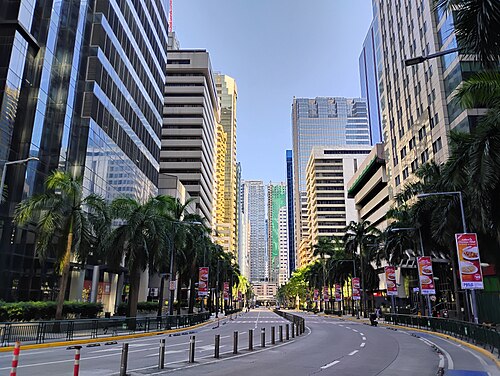
Pasig City is a highly urbanized city located in the eastern part of Metro Manila, Philippines. It is bordered by the cities of Quezon City to the north, Marikina City to the east, Antipolo City to the southeast, Mandaluyong City to the west, and Taguig City to the southwest. Known for its rich history and vibrant local culture, Pasig City has evolved from a primarily agricultural area into a bustling commercial and industrial center. The city is traversed by the Pasig River, which has played a crucial role in its development, serving as both a transportation route and a source of livelihood throughout its history.
Pasig City boasts a diverse economy, with numerous business districts such as the Ortigas Center, which is one of the Philippines' major financial hubs. This area hosts a mix of corporate offices, shopping centers, restaurants, and residential buildings. The city is also home to various educational institutions, including several universities and colleges that provide quality education to its residents. Cultural landmarks can be found throughout Pasig City, including the historic Immaculate Conception Cathedral, the Pasig City Museum, and the well-known Kapitolyo district, known for its thriving food scene. Pasig is also recognized for its commitment to environmental sustainability, as evidenced by its initiatives promoting green spaces and waste management programs. This blend of history, commerce, and community engagement makes Pasig City a significant player in the landscape of Metro Manila.
Facts about Pasig City
- Pasig City is known for being home to the historic Pasig River, which played a vital role in the city's development and served as a major transportation route during the Spanish colonial period.
- The city is the location of the iconic Ortigas Center, one of the major business districts in Metro Manila, housing several multinational companies and major commercial establishments.
- Pasig City is recognized for its rich cultural heritage, exemplified by the San Jose Church, which dates back to the Spanish colonial era and features distinctive Baroque architecture.
- In 2012, Pasig City was awarded the Seal of Good Housekeeping by the Department of the Interior and Local Government (DILG) for its transparent and accountable governance.
- Pasig City hosts the annual 'Pasig City San Juan de Dios Feast,' a vibrant festival celebrating the city's patron saint, showcasing local traditions, street dancing, and culinary delights.
- The city is home to the Pasig City Sports Center, which is dedicated to promoting sports and athletic activities among the youth, emphasizing health and fitness.
- Pasig City is also known for its progressive environmental initiatives, including the Pasig River Rehabilitation Program aimed at restoring and preserving the river's ecological health.
- Pasig City has a diverse population that celebrates various cultures, reflected in the city’s restaurants, markets, and cultural events that highlight Filipino and international cuisines.
- The city is the location of the historical Immaculate Conception Cathedral, which has significant architectural value and serves as a spiritual center for many local residents.
- Pasig City is notable for its efforts in disaster risk reduction and management, exemplified by its advanced warning systems and disaster preparedness programs aimed at safeguarding its residents.