Pasto, Colombia
- 392,930 people
- 13 places to visit
- 1.2059, -77.2858
Places to Visit (13)
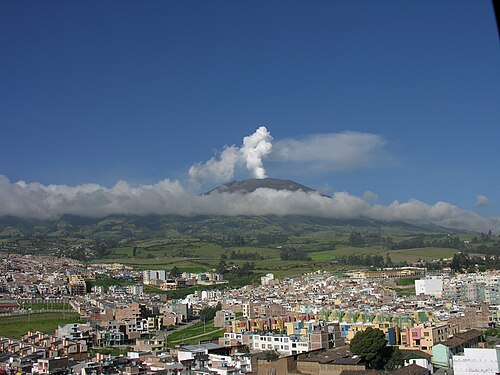
Pasto is a city located in the southwestern region of Colombia, serving as the capital of the Nariño Department. Nestled in a valley surrounded by the Andes mountains, the city sits at an elevation of approximately 2,527 meters (8,281 feet) above sea level. Established in 1537 by the Spanish conquistador Sebastián de Belalcázar, Pasto has a rich history reflective of both indigenous cultures and Spanish colonial influence. The city is known for its vibrant cultural scene, which includes traditional festivals such as the Carnival of Black and White, recognized as one of Colombia's most significant celebrations, blending indigenous, African, and Spanish traditions.
Economically, Pasto thrives on agriculture, trade, and tourism. The region is known for producing crops like coffee, sugar cane, and potatoes, contributing to local livelihoods. Additionally, the city's proximity to the Ecuadorian border facilitates cross-border trade, enhancing its economic landscape. Pasto also serves as a gateway to several natural attractions, including the stunning Las Lajas Sanctuary, a neo-Gothic church built in the late 19th century over a canyon, and the wildlife-rich slopes of the Volcán Galeras, an active volcano nearby. The scenic beauty and rich cultural heritage make Pasto a notable destination for travelers, offering a unique glimpse into the diverse traditions and natural wonders of Colombia.
Facts about Pasto
- Pasto is known for its unique cultural event called 'Carnaval de Negros y Blancos', which is recognized by UNESCO as an Intangible Cultural Heritage.
- The city is located at an altitude of over 2,500 meters (8,200 feet) in the Andes, making it one of the highest cities in Colombia.
- Pasto is home to the historic Basilica of Our Lady of Sorrows, a significant religious site showcasing a blend of baroque and neoclassical architecture.
- The city's location near the Galeras volcano contributes to its rich volcanic soil, making it a prime area for agriculture, especially in the cultivation of potatoes and other tubers.
- Pasto is distinguished by its vibrant indigenous heritage, particularly influenced by the Nariño and Pasto indigenous groups, which is reflected in its festivals, crafts, and culinary traditions.
- The city has a strong tradition of artisan crafts, known for its high-quality 'Pasto' handicrafts, particularly the 'Bocadillo' (sweet guava paste).
- Pasto was a significant site during Colombia's independence from Spain, hosting numerous battles and revolutionary leaders, especially in the Nariño Province.
- The annual 'Festival Internacional de Teatro de Pasto' attracts international performers and showcases diverse theatrical productions, making it a notable cultural event.
- Pasto has a unique climate, often referred to as the 'City of Eternal Spring', due to its temperate weather year-round, which differentiates it from many other Colombian cities.
- The city features the 'Plaza de Nariño', which is home to important monuments including the statue of Antonio Nariño, a key figure in Colombia's independence movement.