Pasuruan, Indonesia
- 212,466 people
- 6 places to visit
- -7.6469, 112.8999
Places to Visit (6)
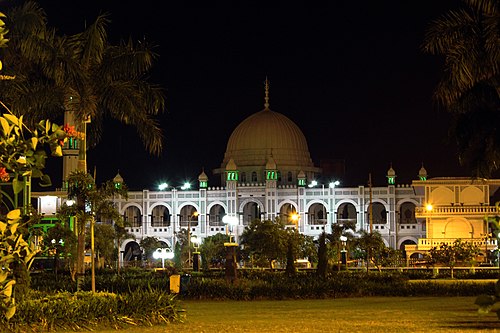
Pasuruan is a vibrant city located in East Java, Indonesia, approximately 60 kilometers east of Surabaya, the provincial capital. Established in the 16th century, Pasuruan has a rich historical background and has evolved as an important trading and agricultural hub throughout its history. The city’s geographical location on the northern coast of Java makes it a strategic point for both commerce and transportation. It serves as a vital link between the East Java region and the broader maritime routes of Indonesia. The surrounding areas are characterized by fertile volcanic soils due to the presence of Mount Semeru and other nearby volcanic mountains, which support extensive agricultural activities, including rice, corn, and various fruits.
Pasuruan is also known for its cultural heritage, which reflects the diverse influences that have shaped the region over the centuries. Islamic traditions, local customs, and colonial history blend harmoniously, making the city a unique cultural tapestry. The city hosts several notable landmarks, such as the Pasuruan Great Mosque and various historical sites showcasing its colonial past. Additionally, Pasuruan is home to the famous Candi Sumberawan, an ancient water temple, which attracts both local and international tourists. The local economy benefits not only from agriculture but also from small-scale industries and handicrafts, particularly those related to pottery and textiles. As the city continues to modernize, it maintains a balance between growth and the preservation of its rich cultural heritage, making Pasuruan a significant and intriguing destination within Indonesia.
Facts about Pasuruan
- Pasuruan is known for its rich agricultural history, particularly its production of sugar cane, which has been a vital part of the local economy for centuries.
- The city is home to the ancient temple complex of Jawi Temple, which dates back to the 14th century and showcases a blend of Hindu and Islamic architectural influences.
- Pasuruan's location at the foot of Mount Arjuna makes it a gateway for tourists seeking to explore the natural beauty of East Java, including hiking and eco-tourism activities.
- The local culture features a unique blend of Javanese traditions and influences from the neighboring Madura island, particularly evident in local cuisine and festivals.
- Pasuruan celebrates the vibrant annual Pesta Rakyat Pasuruan, a cultural festival that highlights local arts, crafts, food, and music, fostering community spirit and tourism.
- The city has historically been a significant trade center due to its strategic position on the major trade routes between East Java and other regions, contributing to its diverse population.
- Pasuruan is known for its handwoven fabric, particularly the traditional ikat textiles, which reflect the artistry and craftsmanship of the local artisans.
- The region has a growing industrial sector, particularly in food processing and textile manufacturing, distinguishing it as an economic hub within East Java.
- Pasuruan's local government has invested in environmental initiatives, such as reforestation programs, aimed at preserving its rich biodiversity, particularly around Mount Arjuna.
- The city's transportation infrastructure, including the railway and major highways, has made it an important logistical center, connecting various regions across Java.