Pātan, Nepal
- 299,283 people
- 14 places to visit
- 27.6588, 85.3247
Places to Visit (14)
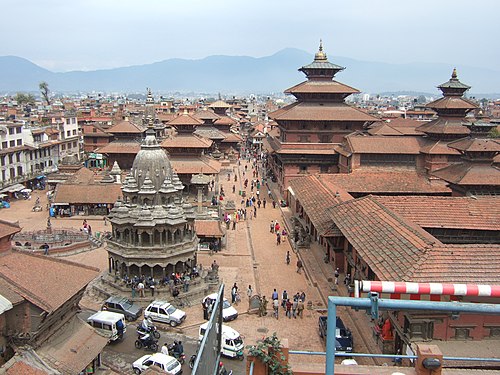
Pātan, also known as Lalitpur, is a prominent city located in the Kathmandu Valley of Nepal, approximately five kilometers southeast of the capital city, Kathmandu. Established in the 3rd century BC, Pātan is one of the oldest continuously inhabited cities in the world, and it showcases a rich tapestry of history and culture. The city is renowned for its traditional arts and crafts, particularly metalwork, woodcarving, and stone carving. It is also famous for the Pātan Durbar Square, a UNESCO World Heritage Site, which features a stunning collection of temples, palaces, and courtyards adorned with intricate architectural details that reflect the skills of Newar artisans. Among the most notable structures in the square are the Mahabouddha Temple, the Krishna Mandir, and the Bhimsen Temple, each exemplifying exquisite craftsmanship and deep religious significance.
Pātan's cultural resources extend beyond its ancient structures; the city is a vibrant hub of festivals, art, and education. The annual celebration of various festivals, including the Pātan Jatra and the Indra Jatra, draws crowds from near and far, highlighting the city's rich traditions and communal spirit. The city is also home to numerous museums, such as the Pātan Museum, which focuses on Nepalese art and history, housing a collection of sculptures, paintings, and religious artifacts that reflect the region's diverse cultures and religions, particularly Hinduism and Buddhism. Pātan's population, primarily composed of the Newar ethnic group, plays a vital role in maintaining the city's cultural identity and heritage. With its unique combinations of historical significance and lively contemporary culture, Pātan stands as a crucial part of Nepal's national identity and remains a popular destination for both tourists and scholars interested in its rich history and artistic legacy.
Facts about Pātan
- Pātan, also known as Lalitpur, is one of the oldest cities in the Kathmandu Valley, famous for its rich cultural heritage and artistic traditions.
- The city is renowned for its Durbar Square, a UNESCO World Heritage Site, which features stunning temples and palaces dating back to the 3rd century.
- Pātan is distinguished by its unique wooden architecture, particularly the intricately carved wooden windows and balconies that exemplify Newar craftsmanship.
- The city hosts the Pātan Museum, which is dedicated to traditional Nepalese art, showcasing textiles, pottery, and sculpture from various periods.
- Pātan is famous for the Pātan Dhoka, the main entrance gate to the city, which is adorned with exquisite carvings and reflects the skill of Newar artisans.
- The city is known for its annual festival, 'Biska Jatra,' celebrated with vibrant processions and traditional dances, showcasing the living culture of Pātan.
- Pātan is home to numerous Buddhist monasteries, notably the Mahabouddha Temple, known for its unique terracotta tiles depicting Buddhist motifs.
- The city's rich tradition of metalworking is evidenced by its fine bronze statues and ritual objects, making it a center for craftsmanship in Nepal.
- Pātan's inhabitants, mainly Newars, have developed a distinct dialect and culinary culture, contributing to the city's unique social fabric.
- Pātan is recognized for being a center of education and arts, with institutions like the Kathmandu University School of Arts fostering creativity and innovation.