Paterna, Spain
- 64,023 people
- 13 places to visit
- 39.5037, -0.4432
Places to Visit (13)
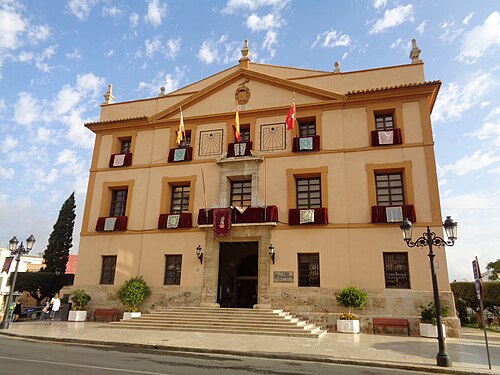
Paterna is a municipality located in the province of Valencia, within the autonomous community of Valencia, Spain. Situated approximately 10 kilometers northwest of the city of Valencia, Paterna boasts a rich historical heritage that dates back to Roman times. The town was originally known as "Patra," and it has been shaped by various civilizations throughout its history, including the Moors, who left a significant cultural impact on the region. Today, Paterna is known for its blend of historical architecture and modern urban development, attracting both residents and visitors alike.
The town is characterized by its picturesque squares, narrow streets, and notable landmarks such as the Church of San Pedro Apóstol, which exemplifies the Gothic and Baroque architectural styles. Additionally, Paterna features several parks and recreational areas, making it a desirable location for families and outdoor enthusiasts. The municipality has a diverse population, and its economy is primarily based on commerce, industry, and agriculture. Paterna is also recognized for its thriving technological park, which has attracted numerous companies in the fields of innovation and information technology. This focus on economic development has contributed to Paterna’s status as one of the fastest-growing municipalities in the region.
Culturally, Paterna is vibrant, with numerous festivals and celebrations that reflect its traditions and local identity. One of the most notable events is the festival of "La Verema," celebrating the grape harvest, which includes traditional music, dance, and gastronomy. Other festivities, such as "Las Fallas," showcase the town’s strong ties to the broader Valencian culture. The amalgamation of its rich history, economic vitality, and cultural dynamism makes Paterna a unique and appealing city that continues to evolve while preserving its heritage.
Facts about Paterna
- Paterna is known for the historical site of the Roman aqueduct known as 'El Acueducto de la Peña', which dates back to the 1st century AD and is a remarkable example of ancient engineering.
- The city is famous for its traditional Paiporta dance, which is a unique cultural heritage that showcases local folklore and is celebrated during local festivals.
- Paterna hosts the unique annual 'Fallas de Paterna', part of the larger Fallas festival in Valencia, but with its own local twist and local artists creating the famous falla monuments.
- Paterna has a rich industrial history and was one of the first cities in Spain to embrace the tile and ceramics industry, which has contributed significantly to its local economy.
- The city is home to the ancient 'Castillo de Paterna', a castle that offers insights into the Moorish occupation of the region and provides scenic views of the surrounding area.
- Paterna is situated near Valencia and has developed a strong sports culture, particularly in basketball, being home to one of the most successful clubs in Spain, Paterna B.C.
- The Parque Central de Paterna, a significant green space created in the city, showcases modern urban planning and is a gathering place for local events and community activities.
- Every Easter, Paterna celebrates 'La Semana Santa', featuring unique processions and rituals that distinguish it from other regions in Spain, reflecting its deep-rooted religious traditions.
- Paterna is recognized for its diverse culinary scene, particularly for its distinctive dish 'Arroz de Pato', showcasing the rich agricultural tradition of the Valencia region.
- The city is also notable for its commitment to sustainable development, being one of the few cities in Spain to have a dedicated Greenway project that promotes eco-friendly transportation.